
Advocacy groups warn DHS against sweeping expansion of immigration biometrics
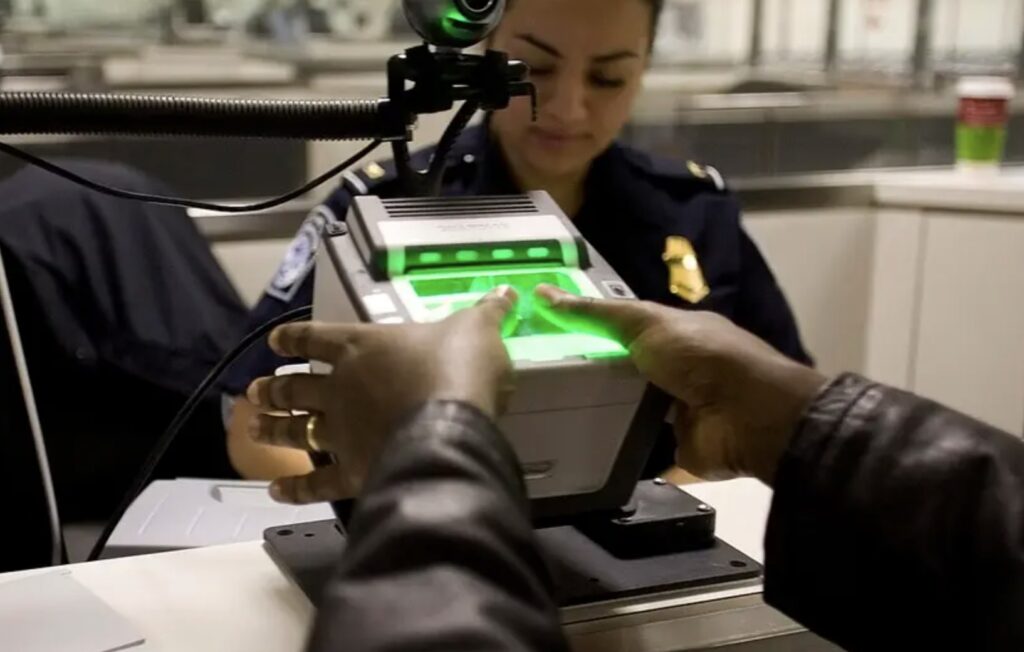
A proposed Department of Homeland Security (DHS) rule to dramatically expand biometric data collection across the U.S. immigration system is facing escalating opposition from lawmakers, civil liberties organizations, immigration advocates, and privacy scholars.
Critics warn that the plan would create an unprecedented surveillance architecture with inadequate safeguards and far-reaching consequences for U.S. citizens, children, and noncitizens alike.
Public comments on the proposal, which closed earlier this month, exceeded 6,000 submissions, the majority of which, perhaps not surprisingly, are negative. There is very little clear evidence of organized support for the proposed rule change from major advocacy organizations or industry groups in the way that civil liberties and immigration advocates have opposed it.
Most of the publicly accessible comment material, press reports, and third-party summaries focus on criticism, concern, or neutral explanation of the proposal rather than organized support.
The Notice of Proposed Rulemaking (NPRM), published in November in the Federal Register by U.S. Citizenship and Immigration Services (USCIS), would amend longstanding regulations governing how biometrics are collected and used in immigration and naturalization processes.
Under current rules, DHS typically limits biometric collection to defined contexts and modalities such as fingerprints and photographs used primarily for identity verification and background checks.
The new rule would remove age restrictions entirely and authorize USCIS to require biometric submissions from any person filing or associated with an immigration benefit request, regardless of citizenship or immigration status.
That group could include U.S. citizens, lawful permanent residents, children, petitioners, sponsors, beneficiaries, and dependents.
The Identity Project warned that the proposal authorizes “dragnet” biometric collection, requiring “facial photography (‘mug shots’), fingerprinting, iris and retina scans, voice samples, and DNA samples, on a dragnet basis for all applicants or ‘associates’ of applicants or at the discretion of USCIS.”
The proposal would also broaden the range of biometric identifiers DHS may collect, potentially encompassing facial images, fingerprints, iris or retinal scans, voice prints, and DNA or DNA test results.
In December, Rep. Yvette D. Clarke, a Democrat representing New York’s 9th Congressional District, led a bipartisan group of 49 House members in a letter urging DHS Secretary Kristi Noem and U.S. Citizenship and Immigration Services (USCIS) Director Joseph Edlow to withdraw or substantially revise the proposal.
The lawmakers said the rule, as drafted, risks undermining civil rights, eroding public trust, and exposing millions of people to irreversible privacy harms.
“The proposed rule raises serious questions about privacy, data security, and the potential for discriminatory or unauthorized surveillance,” the lawmakers wrote. “Without significant changes, this proposed rule will potentially damage American citizens’ and children’s privacy and risk unauthorized disclosure of their fingerprints, eye scans, and DNA.”
Critics say the scope of that expansion is not matched by corresponding limits. In formal comments, the Electronic Privacy Information Center (EPIC) warned that the rule would “dramatically expand the scope of biometric data collected by USCIS without adequate justification or meaningful safeguards.”
EPIC argued that the agency failed to demonstrate why existing identity verification methods are insufficient or why less intrusive alternatives could not meet USCIS’s stated goals.
“Biometric data is uniquely sensitive because it is immutable – if compromised, it cannot be changed,” EPIC wrote, adding that large-scale biometric systems “create permanent risks of misuse, breach, and secondary use that extend far beyond the original purpose for which the data was collected.”
Lawmakers had made a similar point in their letter, stressing that biometric identifiers are permanent and cannot be reissued like passwords or documents.
They cited recent high-profile breaches involving biometric databases and facial recognition systems, including unauthorized access to U.S. Customs and Border Protection data from facial recognition pilot and contractor-linked systems, as evidence that expansive biometric collection creates enduring vulnerabilities.
Beyond fingerprints and facial imagery, the rule contemplates continuous or ongoing biometric “vetting” throughout an individual’s interaction with the immigration system, potentially lasting until citizenship is achieved.
Opponents argue that this shifts biometrics from a discrete administrative step into a form of persistent surveillance.
“Warrantless, suspicionless searches, solely on the basis of citizenship, immigration status, the exercise of the right to freedom of movement, or ‘association’ with other individuals, would violate the First and Fourth Amendments,” the Identity Project wrote.
The Truman National Security Project framed that concern in national security terms, warning that continuous biometric monitoring could undermine rather than enhance public safety.
In its comment, the group argued that sweeping biometric surveillance risks eroding trust in government institutions and discouraging cooperation with authorities, outcomes it said are counterproductive to security objectives.
The organization argued that policies which “alienate communities” and discourage engagement with authorities ultimately weaken, rather than strengthen, national security.
The group also raised concerns about cybersecurity and international cooperation, cautioning that indefinite retention of sensitive biometric data increases the consequences of breaches and could complicate information sharing with allies that operate under stricter data protection regimes.
Other commenters focused on constitutional and statutory limits. The Institute for Justice (IJ) argued that DHS lacks clear authority to establish a broad civil DNA collection and retention regime and that compulsory DNA submission outside criminal contexts raises serious Fourth Amendment concerns.
“The proposed rule would authorize suspicionless DNA collection and indefinite retention in a civil system,” IJ wrote, calling that structure “fundamentally incompatible with the constitutional limits on government searches.”
Immigration and child advocacy organizations raised additional alarms about the proposal’s application to minors.
Kids in Need of Defense (KIND) warned that the rule explicitly permits biometric collection “without regard to age,” including from infants and very young children, despite unresolved questions about reliability, consent, and long-term harm.
“Requiring children – especially infants and toddlers – to submit biometrics such as fingerprints, facial images, or DNA provides little adjudicative value while exposing them to lifelong privacy and security risks,” KIND wrote.
KIND argued that such requirements could deter vulnerable children from seeking protection and conflict with child-welfare principles embedded in U.S. immigration law.
The Identity Project emphasized that the rule’s reach extends beyond applicants themselves to people merely “associated with” immigration filings.
That breadth, the group warned, could pull U.S. citizens into immigration surveillance systems solely because of family relationships or sponsorship roles.
“The NPRM authorizes dragnet biometric collection from people who have committed no violation and are not seeking any immigration benefit,” the group wrote, arguing that the proposal fails to meaningfully address constitutional protections or international human rights obligations.
USCIS has said the proposed rule is intended to modernize what it describes as outdated biometric practices.
In its notice, the agency argued that expanded biometric authorities would improve fraud detection, enhance national security and public safety screening, and improve service delivery for benefit applicants. The agency also said its current biometric use for criminal history checks and document production is outdated.
The proposed rule change drew dozens of comments from ordinary citizens – many writing anonymously – to express their concerns about the privacy and surveillance implications of what USCIS wants to do.
“This is an expensive and needless proposal purposed to make a distraction of identity politics. Normalizing the mass collection of bio-data is a further invasion of privacy that serves no practical purpose other than to demoralize and dehumanize people of all backgrounds,” one person said anonymously.
Another wrote that the proposed rule “is disgusting, dehumanizing, and perverse.”
As DHS reviews the feedback, lawmakers and advocates say the central issue is not whether biometrics have a role in immigration administration, but whether their use can be reconciled with meaningful limits, transparency, and accountability.
In their earlier letter, House members faulted DHS for failing to explain how expansive biometric datasets would be secured, how long information would be retained, who would have access to it, how independent audits would function, or how individuals could learn how their data is used.
Without those details, they warned, public trust in immigration administration could erode and civil rights protections could be jeopardized.
“Biometric technologies are not neutral tools,” the lawmakers wrote. “They are systems that carry profound implications for privacy, equality, and public confidence in government.”
As DHS weighs whether to finalize, revise, or abandon the proposal, the debate underscores a broader reckoning over how far biometric surveillance should extend in civil governance, and whether the government can justify building systems whose risks, critics argue, are permanent even if the policies that created them are later reversed.
Nevertheless, and despite the overwhelming negativity of the comments, given the Trump administration’s strong immigration-driven enforcement agenda, it is more than likely that USCIS will adopt the rule change.
Related Posts
-
 December 22, 2025
 -
 July 10, 2025
 -
 February 5, 2025
 -
 August 21, 2025
 -
 September 30, 2025
 -
 May 14, 2025
Article Topics
biometric data | biometrics | data collection | DHS | immigration | legislation | U.S. Government | United States | USCIS

Comments