
Lawmakers warn DHS against sweeping expansion of immigration biometrics
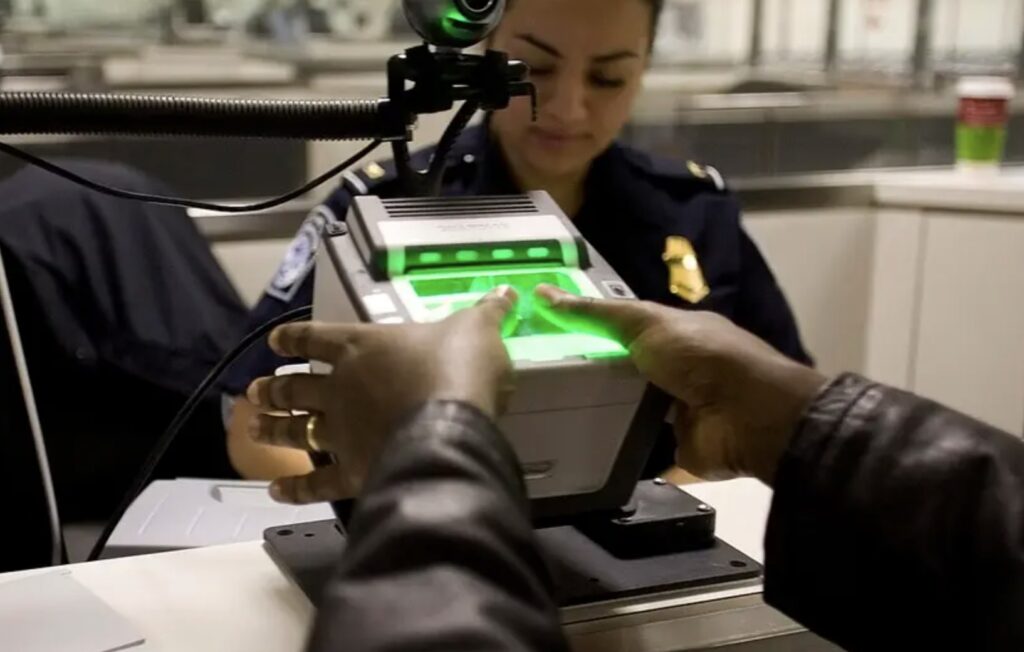
On Friday, Congresswoman Yvette D. Clarke of New York’s 9th Congressional District galvanized bipartisan concern about the Department of Homeland Security’s (DHS) proposed rule to dramatically expand biometric data collection in immigration and naturalization procedures.
Clarke and 49 members of the House wrote to DHS Secretary Kristi Noem and U.S. Citizenship and Immigration Services Director Joseph Edlow urging the agency to withdraw or substantially revise the proposal.
The lawmakers outlined deep reservations about the breadth, lack of safeguards, and civil rights implications of what DHS wants to do, arguing that it risked undermining public trust and essential protections for millions of individuals affected by U.S. immigration law.
“The proposed rule raises serious questions about privacy, data security, and the potential for discriminatory or unauthorized surveillance,” the lawmakers wrote, adding that “without significant changes, this proposed rule will potentially damage American citizens’ and children’s privacy and risk unauthorized disclosure of their fingerprints, eye scans, and DNA.”
The rule in question, published in November as an advance notice of proposed rulemaking by DHS, seeks to overhaul longstanding limits on biometric data collection.
Under current regulations, DHS collects fingerprints, photographs, and other identifying information in specific immigration contexts, primarily to verify identity and conduct security checks.
The new rule would remove age restrictions and expand the collection and use of biometric identifiers for a far broader group, including individuals merely associated with immigration benefit requests, irrespective of whether they are U.S. citizens, nationals, or lawful permanent residents.
“The rule would allow DHS to require biometric submissions from anyone associated with an immigration benefit request – including U.S. citizens, children, and lawful permanent residents serving as petitioners, sponsors, beneficiaries, or dependents – with no age limitations and broad permission to store, share, and reuse this data,” the lawmakers’ letter says.
The noted that these “biometric identifiers are permanent and cannot be changed if compromised, making the risks of misuse or breach uniquely severe, irreversible, and lifelong.”
Proposed biometric modalities would extend beyond fingerprints and facial imagery to include additional traits such as ocular scans, voice prints, and potentially DNA or DNA test results, with continuous vetting envisioned throughout an individual’s stay until citizenship is achieved.
Public comments on the rule are open through early January, at which point DHS will review feedback before finalizing any changes.
In their letter, the lawmakers raised a series of pointed concerns about how the rule as drafted failed to safeguard civil rights, privacy, and cybersecurity. They pointed to reporting highlighting DHS’s increasing reliance on facial recognition and third-party data systems that, critics say, lack sufficient transparency or oversight.
Those reporting efforts, the lawmakers argued, reveal disproportionate impacts on communities of color and immigrant populations and underscore the dangers of expanding surveillance infrastructure without clear guardrails.
The letter also referenced recent high-profile breaches of biometric systems – including hacks of databases tied to companies used by foreign law enforcement and unauthorized access to U.S. Customs and Border Protection data from facial recognition pilot programs – as evidence of the risks posed by broad biometric collection absent robust protections.
Central to the legislators’ critique was the absence in the proposed rule of detailed mechanisms to ensure adequate protection of collected data.
The letter argues that DHS’s proposal lacks meaningful information on how expansive biometric datasets would be secured against cyber threats, how long data would be retained, who could access the information, how independent auditing would function, or how transparency would be provided to individuals whose biometric information is stored and used.
Without such safeguards, the lawmakers warn, public trust in immigration administration could erode, and civil rights protections which are foundational to fair and humane governance could be jeopardized.
The letter framed biometric technologies not merely as technical tools but as systems with profound implications for privacy, equality, and societal trust.
The lawmakers urged DHS to adopt a framework that genuinely protects individuals – both U.S. citizens and noncitizens – rather than exposing them to “unnecessary and unmitigated risk.”
They stressed that biometric data collection and reuse must be constrained by clear civil liberties protections, transparent oversight, and rigorous cybersecurity measures if it is to be justified in the context of immigration and naturalization.
Broader debates over DHS’s use of biometric and surveillance technologies have been intensifying as federal agencies increasingly integrate digital identification and data analytics into security and immigration operations.
Civil liberties advocates and some policy scholars argue that expansive biometric systems can create chilling effects on privacy and freedom of expression, especially for marginalized and immigrant communities, and that the federal government’s analysis of such proposals often underestimates the societal costs involved.
Critics also contend that such systems may deter lawful immigration by imposing onerous requirements and could contribute to heightened surveillance of U.S. citizens through their associations with immigrants.
These concerns resonate with the points raised by Clarke and her colleagues in their critique of the current DHS proposal.
As DHS evaluates public comments on the proposed rule, the conversation among lawmakers, privacy advocates, and immigrant rights groups is likely to continue focusing on how to balance the agency’s stated objectives – identity verification, national security, and administrative efficiency – with robust protections for individual rights.
Related Posts
-
 September 9, 2025
 -
 February 24, 2025
 -
 February 5, 2025
 -
 July 16, 2025
 -
March 24, 2025
-
 January 8, 2025
Article Topics
biometrics | data collection | DHS | immigration | legislation | U.S. Government | United States | USCIS

Comments