
Facial recognition, not more officers, will cut petty crime: UK Police Chiefs’ head
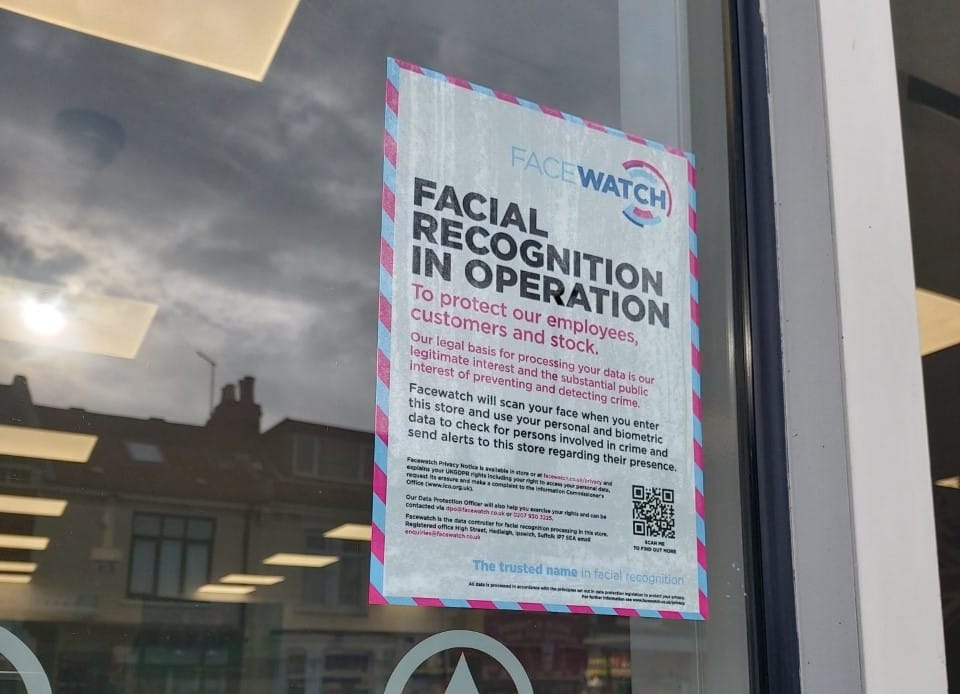
Retrospective facial recognition will do more to reduce petty crime than increasing the number of police on patrol, according to UK National Police Chiefs’ Council Chairman Gavin Stephens.
The biometric technology, plus a relatively small cadre of specially trained officers, is the most effective way to combat crimes like shoplifting, Stephens says, according to The Telegraph.
Stephen suggested that increasing high-visibility patrols is a popular pledge, but belongs to “a previous era.”
Facial recognition will speed up the identification of criminals, Stephens says, while additional officers on patrol “won’t solve petty crime.”
“Given a choice between 10 officers in a neighbourhood team struggling without technology and all its capabilities, compared with eight officers on a team with really groundbreaking abilities to protect victims and bring offenders to justice, I will take the eight and the technology every day of the week,” Stephens told The Telegraph.
The previous government hired 20,000 new police officers, and the current one has committed to adding 13,000 to local forces by 2029.
At the same time, police station London’s Met Police are closing down publicly accessible front counters by almost half to help meet a budget shortfall.
Shops have taken matters into their own hands, and as Former UK Biometrics & Surveillance Camera Commissioner Fraser Sampson wrote in a column for Biometric Update last year, those with facial recognition security systems have reduced incidents by up to 70 percent. The BBC tested out one such system and spoke a retail worker, who said “it’s given us control back.”
A survey by the Ada Lovelace and Alan Turing Institutes last year cited by the Home Office in its recent review of public attitudes towards police use of facial recognition show 70 public support for using the technology to investigate crimes, and 91 percent see its benefit.
Obvious enforcement answer falls short
A quick internet search reveals the UK has been locked in the same debate about the relationship between police patrols and crime levels for well over a decade. The deployment of facial recognition systems around England and Wales, including within retail establishments, changes the equation, Stephens argues.
Enforcement targeting the sale of stolen goods involves the challenge of locating the goods, which appears less simple than some observers would suggest.
The New Statesman reported in late November on a “car-boot sale” at Hounslow Heath that Shadow Justice Secretary Robert Jenrick suggested in a recent social media video is central to Britain’s black market in stolen goods.
A police raid that day came to the opposite conclusion, finding no criminal wrongdoing. People selling goods legally told the Statesman that people do show up at car-boot sales to hawk stolen goods, but those people show up once and then move on to another area, avoiding selling goods near where they’re stolen.
Cambridgeshire Police say organized crime groups are increasingly involved in shoplifting, and have established a team to target them.
Organized crime rings have been suspected as a major factor in rising theft rates in the UK and elsewhere for years, but attempts to quantify the problem have had limited success, and a widely-quoted stat from the U.S. was walked back in 2023.
Whoever is committing them, just 7.3 percent of criminal offences in England and Wales leading to charges or summons, creating a sense that shoplifting and petty crime are not worth police officers’ time is increasing among the public, which Stephens acknowledged.
Related Posts
-
 October 15, 2025
 -
 August 25, 2025
 -
 November 27, 2025
 -
 December 10, 2025
 -
 August 26, 2025
 -
 July 4, 2025
Article Topics
biometric identification | biometrics | criminal ID | facial recognition | live facial recognition | UK

Comments