
TSA PreCheck to remain open during federal shutdown, DHS says
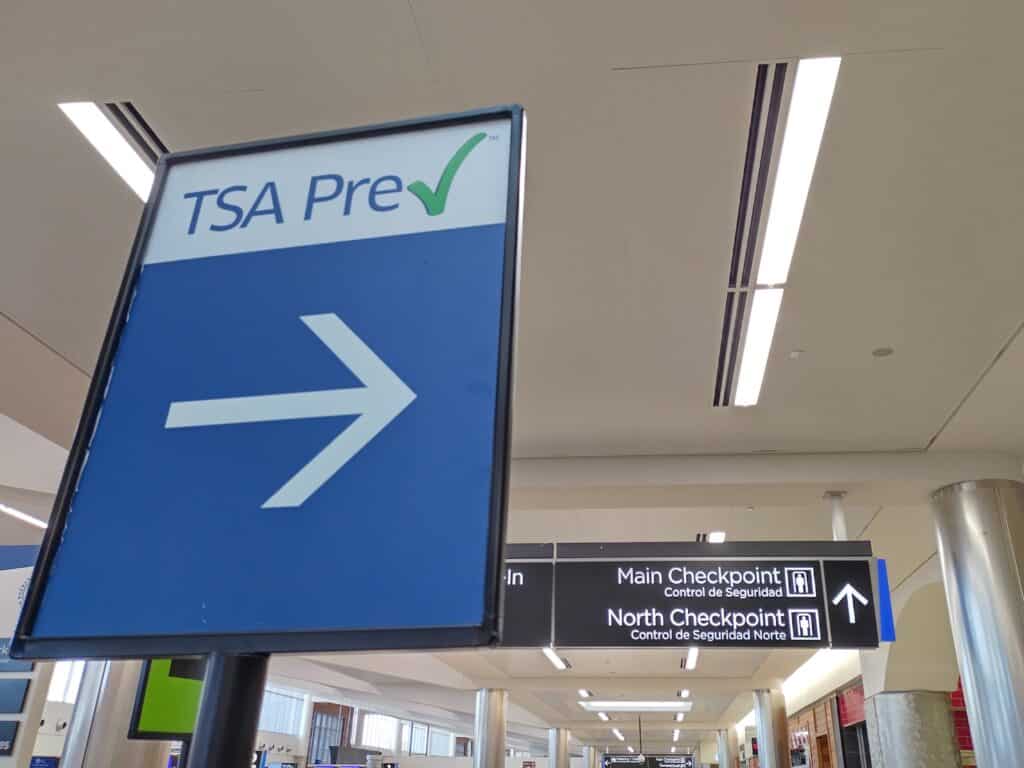
The Department of Homeland Security (DHS) briefly set off alarm bells across the travel industry when it announced that the Transportation Security Administration’s (TSA) PreCheck would be suspended during the ongoing partial government shutdown, only to reverse course hours later and confirm that the expedited screening program would remain operational.
The episode unfolded amid a funding lapse that left parts of DHS’ operations without full appropriations. In an initial statement, DHS said it would suspend both PreCheck and Global Entry as part of what it described as emergency resource conservation measures.
The move was framed as an effort to prioritize core security functions and manage strained staffing levels during the shutdown.
The announcement immediately raised concerns among travelers, airlines and lawmakers. PreCheck allows vetted passengers to move through airport security lines more quickly without removing shoes, belts or light jackets.
Millions of Americans are enrolled in the program, and it has become a central feature of airport throughput at major hubs.
Suspending it would have forced a surge of passengers back into standard screening lanes, increasing wait times at a moment when federal employees were already working without pay and airports were managing weather and operational disruptions.
Within hours, TSA clarified that PreCheck would continue operating. The agency said there would be no immediate change for the traveling public, though it acknowledged that staffing constraints could require adjustments on a case-by-case basis.
The reversal drew a sharp distinction between PreCheck and Global Entry, which is administered by Customs and Border Protection, and was not immediately restored in the same way.
The rapid shift underscored the delicate balance DHS must strike during a shutdown. While aviation security officers are generally deemed essential and required to report to work, administrative functions, enrollment processing and certain support services can be curtailed.
Trusted traveler programs sit in a gray area. They generate fee revenue and support operational efficiency, yet they also depend on personnel and infrastructure that may be stretched thin when funding lapses.
Critics argued that suspending PreCheck would have created unnecessary disruption for travelers while doing little to advance the underlying budget dispute.
Travel industry groups warned that pulling the program would effectively manufacture longer security lines at a time when public confidence in federal operations was already strained.
The swift reversal appeared to reflect both operational realities and political pressure.
The episode also highlighted broader questions about how DHS prioritizes services during fiscal impasses. Programs like PreCheck are not merely conveniences.
Airports have integrated them into staffing models and physical layouts, and airlines factor expedited screening into customer expectations and premium offerings. Halting the program, even temporarily, would ripple through airport operations nationwide.
By deciding not to suspend TSA PreCheck after all, DHS avoided immediate chaos at checkpoints. But the initial announcement served as a reminder that even widely used and fee funded programs are not immune from the uncertainties of shutdown politics.
As long as funding lapses remain a recurring feature of federal governance, agencies like DHS will continue to face hard choices about what to scale back, what to protect, and how to manage public fallout when those decisions shift in real time.
Related Posts
-
 November 27, 2025
 -
 January 21, 2026
 -
 February 17, 2026
 -
 January 9, 2026
 -
 August 12, 2025
 -
 December 1, 2025
Article Topics
airport biometrics | biometrics | CBP | DHS | digital travel | identity verification | passenger processing | PreCheck Touchless ID | trusted traveller | TSA | U.S. Government

Comments