
Panasonic adds QR-based biometric onboarding to streamline site access
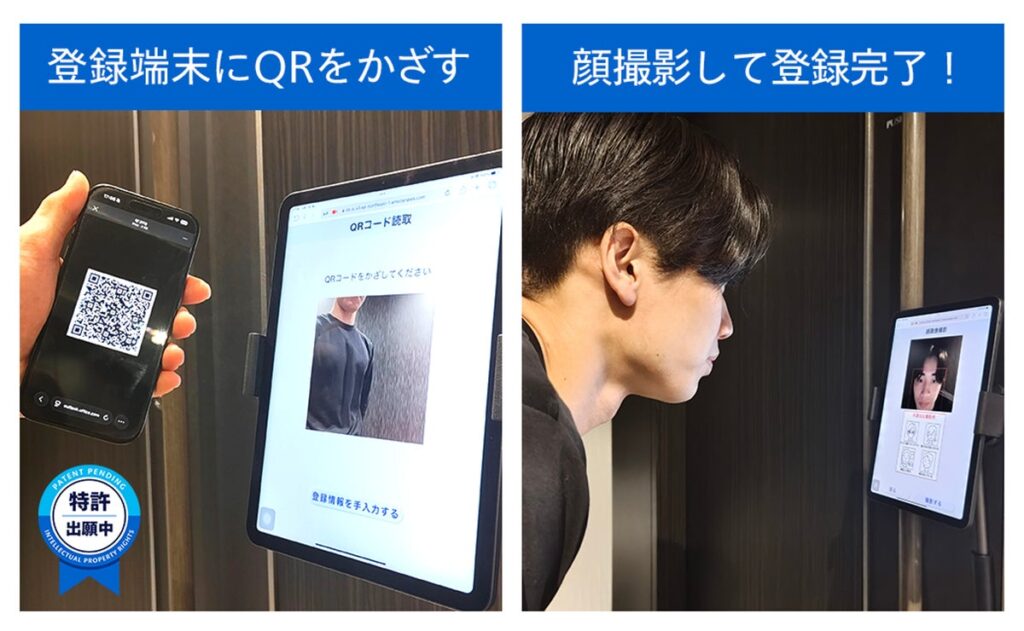
Panasonic Connect has introduced a new QR‑based face registration feature for its KPAS Cloud access management service. The new feature is aimed at streamlining biometric onboarding at factories, construction sites and other high‑traffic facilities.
In 2025 the Japanese company launched the KPAS Cloud Site Management Service. It uses Panasonic’s facial recognition technology to control entry and exit for contractors, staff and visitors.
The company says the new QR code feature is designed to remove one of the biggest operational bottlenecks as administrators previously had to collect face images in advance or register users on site.
Under the updated workflow, administrators generate a QR code from the management portal and send it to the user by email. On arrival the user scans the QR code at a dedicated terminal and captures their facial image. They then complete registration and gain access to authorized areas.
Panasonic says the QR codes contain restricted identification data that can only be interpreted in authorized environments. This prevents third‑party access and the mechanism is now under patent application, the company said in a post on its website (in Japanese and machine translated into English).
The update is part of a broader plan to expand KPAS Cloud into a unified platform for on‑site operations, according to Panasonic. Future additions will include facial recognition‑based attendance management, door‑level access control and integration with security camera video feeds.
Panasonic says the goal is to consolidate functions that are currently handled by separate systems and provide a more comprehensive digital identity and access management for industrial and logistics environments.
From Pakistan to the U.S. and the Philippines, QR codes are linking up with identity verification. In the U.S., CMS is aiming to modernize patient data access with patients able to take a QR code to the doctor to transfer private and personal details. In the Philippines, a digital civil registration service with QR code verification and face biometrics matching is under way.
Related Posts
-
 April 10, 2026
 -
 February 5, 2026
 -
 July 24, 2025
 -
 January 14, 2026
 -
 August 6, 2025
 -
 February 4, 2026
Article Topics
biometrics | face biometrics | identity verification | onboarding | Panasonic | QR code

Comments