
Louisiana bill would bring biometric age checks to bars
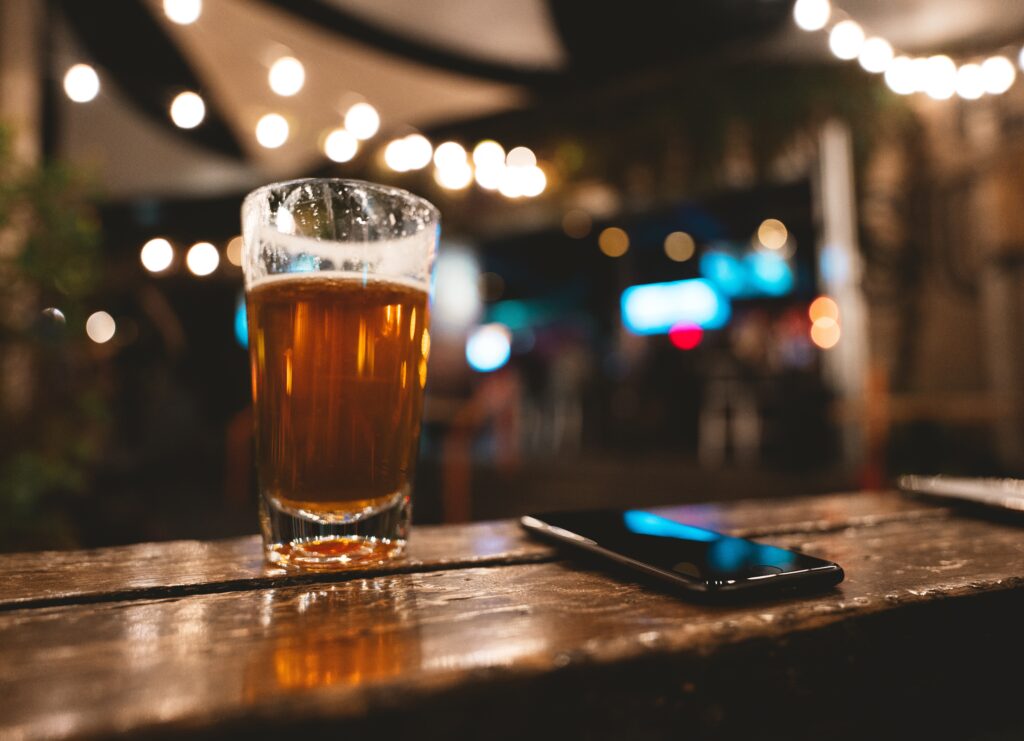
Louisiana state Sen. Beth Mizell has introduced legislation, SB 499, that would create a new biometric age verification system for people entering premises licensed to serve alcohol, replacing sole reliance on physical or digital IDs with a credential tied to a live facial match.
The proposal, titled the “Madison Brooks Law,” would add a new subsection to Louisiana’s Alcoholic Beverage Control Law and would take effect Aug. 1 if enacted.
Louisiana’s bill is the clearest example of a proposed bar-entry biometric age-assurance system requiring a QR-linked credential and live facial match before entry.
The bill is a response to the January 15, 2023, death of 19-year-old Madison Brooks, who died after being served alcohol underage using another person’s identification.
The bill says, “physical and digital identification remain vulnerable to transfer and forgery.”
SB 499 would define a “certified biometrically bound age assurance credential” as a digital or physical credential issued by the commissioner of the Office of Alcohol and Tobacco Control.
The credential would have to establish or verify a person’s age or age eligibility in compliance with National Institute of Standards and Technology Digital Identity Guidelines, be cryptographically bound to one or more biometric identifiers so it cannot be transferred or shared, and meet applicable age assurance, identity-proofing and security standards.
Under the bill, a credential presented in a digital wallet or printed form would have to be accepted by any alcohol permittee as lawful proof of age when its QR code is scanned and a live facial match confirms the holder.
The proposal says the system would bind a verified 21-and-over indicator to a one-way facial biometric template inside a tamper-proof QR code.
It further states that the facial biometric could not be reverse engineered into an image or usable data and could only be matched to the live face of the credential holder.
The bill includes a privacy limitation prohibiting any full identity data or raw biometric image from being transmitted to or retained by the bar or other relying party beyond the age indicator.
Subject to appropriation, the commissioner would be required to provide approved equipment, including computer hardware and software, needed for permittees to confirm a patron’s certified biometrically bound age assurance credential before entry.
The commissioner of Office of Alcohol and Tobacco Control also would have to write implementing rules under the state Administrative Procedure Act.
The proposal has drawn attention because it would place biometric age assurance directly into alcohol enforcement, a move supporters say could reduce the use of fake or borrowed IDs and prevent underage drinking tragedies.
Critics warn that even a system designed not to retain raw biometric images could normalize face-scanning in bars and create broader privacy and surveillance concerns.
Mizell has deferred the bill, so it is not advancing for now, but the measure has opened a wider debate over whether Louisiana should use biometric credentials to police access to alcohol-serving establishments.
The broader pattern is that states are moving toward biometric or digital age assurance for regulated purchases and online access, but Louisiana SB 499 appears unusual because it is written specifically around entry to premises serving alcohol.
California enacted SB 1371 in 2024, effective Jan. 1, 2025, allowing alcohol licensees to use a biometric system as an affirmative defense in proceedings over sales to minors.
The law defines biometrics broadly to include fingerprints, iris, face, or similar characteristics, but it is framed around alcohol purchases, not mandatory bar or club entry.
In Washington, Liquor and Cannabis Board regulators discussed allowing biometric data, including handprints, retinal scans, or voice recognition, as an acceptable form of ID for alcohol purchases, but deferred to the state legislature.
The proposal evolved into SB 6179, which would have allowed liquor licensees to rely on a biometric age-verification system as evidence that a buyer was of legal age.
The system would have had to verify the validity of an ID card, confirm the person enrolling was the ID holder, securely store relevant ID data, and later return an age-eligibility signal after a biometric scan
In New York, S 6656, sponsored by Sen. James Skoufis, would authorize biometric identity verification devices for alcohol and tobacco purchases, and would allow a licensee, agent, or employee to determine a purchaser’s age through a biometric device and would require denial of an alcohol sale if the system indicates the person is under 21.
The bill also would create an affirmative defense for sellers accused of unlawful sales to minors when they used biometric age verification.
Its sponsor memo says the system would let customers enter establishments or make alcohol and tobacco purchases without presenting photo ID, names, or dates of birth, returning only whether the customer is old enough.
The 2023-2024 version remained in the Senate Investigations and Government Operations Committee, and newer versions were introduced for 2025-2026.
Related Posts
-
 June 3, 2025
 -
 April 29, 2026
 -
 September 26, 2025
 -
 October 10, 2025
 -
 July 31, 2025
 -
 March 27, 2026
Article Topics
age verification | biometrics | face biometrics | legislation | Louisiana | retail biometrics | United States

Comments