
TISA feedback on UK digital ID address inclusion highlights sectoral divergence
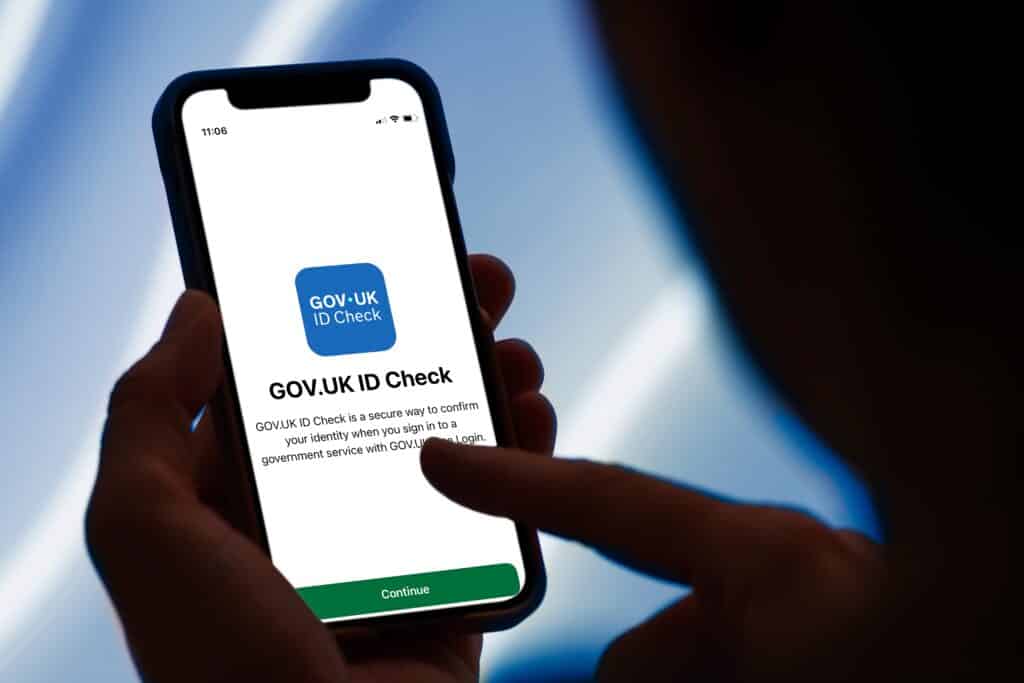
The UK government is seeking broad feedback in its consultation on the proposed national digital ID, so comments tend to reflect the goals of the person or organization responding, which may or may not be aligned with those of the government. It would be easier to tell if the rationale behind the project was either clear or consistent.
The domestic financial sector sees an opportunity to ease KYC checks for easier onboarding and more inclusive access to bank accounts and services.
The Investing and Saving Alliance (TISA) largely supports the government’s plans, according to a summary of recommendations to the Cabinet Office, including the creation of a “government checker service.”
The financial sector advocacy group argues that replacing paper documents aligns with the UK’s broader anti-fraud strategy, but also warns the government to consider systemic risks, such as to data protection, “more deeply.”
Include an address?
TISA supports the inclusion of home address as a datapoint in the digital ID, arguing that it would ease KYC for customer onboarding and AML requirements. The information would have to be verified as accurate, though, and clear address change processes would need to be in place.
The response also acknowledges that the digital ID is unlikely to satisfy KYC requirements on its own, which is where Digital Verification Service (DVS) providers come in.
Money laundering regulations may also need to be updated, TISA says.
The point on home addresses directly conflicts with one made by the ADVP, which argues residential address information is among records that should be handled with separate verifiable credentials (VCs).
“A static field on a digital ID is sub-optimal, it lacks wider utility and it, as a consequence, unlikely to remain accurate. It also does not meet requirements where multiple concurrent and historical addresses are required,” the ADVP reasons.
“Maintaining an address on a digital ID will add significant costs and complexity.”
Processes, protections and clarity pending
TISA warns of the potential for identity fraud resulting from phone theft in response to a question about technical standards beyond those used by the GOV.UK Wallet. Further protection may need to be established.
Processes around digital ID deletion and death will have to be clearly outlined in the framework, the group says.
On the critical question of whether people should be able to store their national digital ID in a digital wallet other than GOV.UK’s, TISA’s answer is a clear “Yes.”
“Flexibility will provide individuals with choice and will allow them to store their digital ID in a certified wallet they are already using that meets their needs, particularly in the private sector where there are additional data verification requirements, beyond the proposed data points within the government ID system,” the group writes.
Flexibility will have to be accompanied, however, by clarity in the framework about who is liable for fraud.
The government has suggested that it may only allow the national digital ID to be stored as a verifiable credential in the GOV.UK Wallet, with only derived credentials available for storage in digital wallets provided by DVS-certified private sector players.
TISA introduced the Select ID initiative to provide a marketplace for trusted and reusable identity verification midway through 2024.
Related Posts
-
 July 29, 2025
 -
 November 21, 2025
 -
 November 13, 2025
 -
 May 9, 2025
 -
 July 2, 2025
 -
 December 22, 2025
Article Topics
digital wallets | financial services | fraud prevention | GOV.UK Wallet | The Investing and Savings Alliance (TISA) | UK digital ID

Comments