
BU podcast talks police use of live facial recognition with prof Fraser Sampson

While facial recognition technology continues to find homes in commercial and institutional use cases, one of the most enthusiastic adopters has been law enforcement. Across jurisdictions, police forces have deployed facial recognition tech that is intended as a public security measure – but which many critics say puts privacy and civil rights at risk.
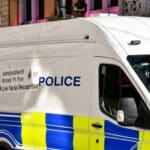
Live facial recognition – the monitoring of crowds and public places in real time, ostensibly to identify known offenders – has proven particularly controversial. Nonetheless, UK police have forged ahead, deploying the tech at the recent Notting Hill carnival, leading to 13 arrests.
But the issue is not a simple question of yea or nay. Live facial recognition rolls out in a society that has integrated surveillance infrastructure on almost every level. From mass networks of CCTV cameras to the social networks that harvest our faces and moments en masse, the world records us endlessly.
The tech has already saturated our lives. The question, then, becomes how are those using it to be held accountable? And, in discussing the threat to privacy, how can the debate fairly weigh both the risks and benefits of live facial recognition?
This week’s episode of the Biometric Update Podcast features Professor Fraser Sampson, former UK Biometrics and Surveillance Commissioner and regular Biometric Update contributor, in conversation about police use of live facial recognition in the UK and beyond.
Listen now: Spotify, Apple, YouTube, Podbean
Runtime: 00:39:35
Related Posts
-
 December 13, 2024
 -
 October 16, 2024
 -
 August 26, 2025
 -
 August 25, 2025
 -
 August 25, 2025
 -
 October 13, 2024
Article Topics
Biometric Update Podcast | biometrics | facial recognition | Fraser Sampson | law enforcement | live facial recognition | police | real-time biometrics

Comments