
Kyrgyzstan rolls out new biometric passports printed domestically
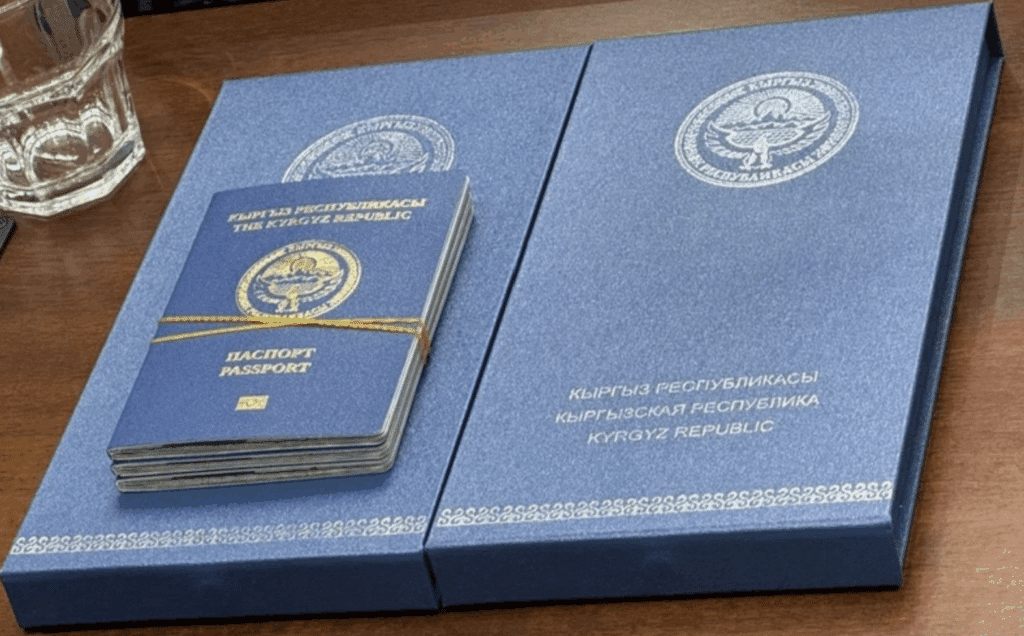
Kyrgyzstan has launched its new biometric passport. The 2025 passports are now being circulated and feature a fully redesigned appearance and incorporate the latest security technologies.
Produced domestically by Uchkun, a state printing company, the upgraded passports align with International Civil Aviation Organization (ICAO) standards. The rollout follows a directive from President Sadyr Japarov to modernize the infrastructure of Uchkun OJSC, an open joint-stock company responsible for document production.
Uchkun has produced and shipped biometric passports to Namibia and has supplied ID cards to Russia. It reportedly signed a biometric passport production agreement with Ghana although Hungary’s ANY Security Printing had held the contract.
Since May 2024, Kyrgyzstan has been producing biometric passports and internal ID cards domestically, thanks to expanded technical capabilities and new equipment, according to a local news agency. Recent updates to the Central Asian country’s national flag and state symbols; a strategic shift to localize the entire document production cycle, along with the adoption of security features, drove the development of the new biometric passports.
The 2025 passport includes more than 30 security elements across three levels. These include innovative holograms and kinegrams, ultraviolet printing, a cryptographic chip, and laser engraving of personal data. The data page features two transparent windows, one of which is shaped in a traditional Kyrgyz ornament, and the passport also includes unique visually variable images.
Each visa page showcases cultural and geographic icons from across the country, such as the legendary figure Manas, the Yntymak Ordo residence, and Khan Tengri Peak, which serve both aesthetic and security functions. The cover has also been refreshed and features the Kyrgyz State Emblem.
Passport replacement will occur only upon expiration, depletion of visa pages, or at the citizen’s request. Authorities expect the new design to enhance border registration, bolster efforts against cross-border crime and document fraud, and improve migration control efficiency.
Related Posts
-
 June 23, 2025
 -
 January 29, 2025
 -
January 23, 2025
-
 January 31, 2025
 -
 June 3, 2025
 -
 December 4, 2024
Article Topics
biometric passport | biometrics | digital ID | Kyrgyzstan | Uchkun

Comments