
TSA moves to revise PreCheck biometric collection
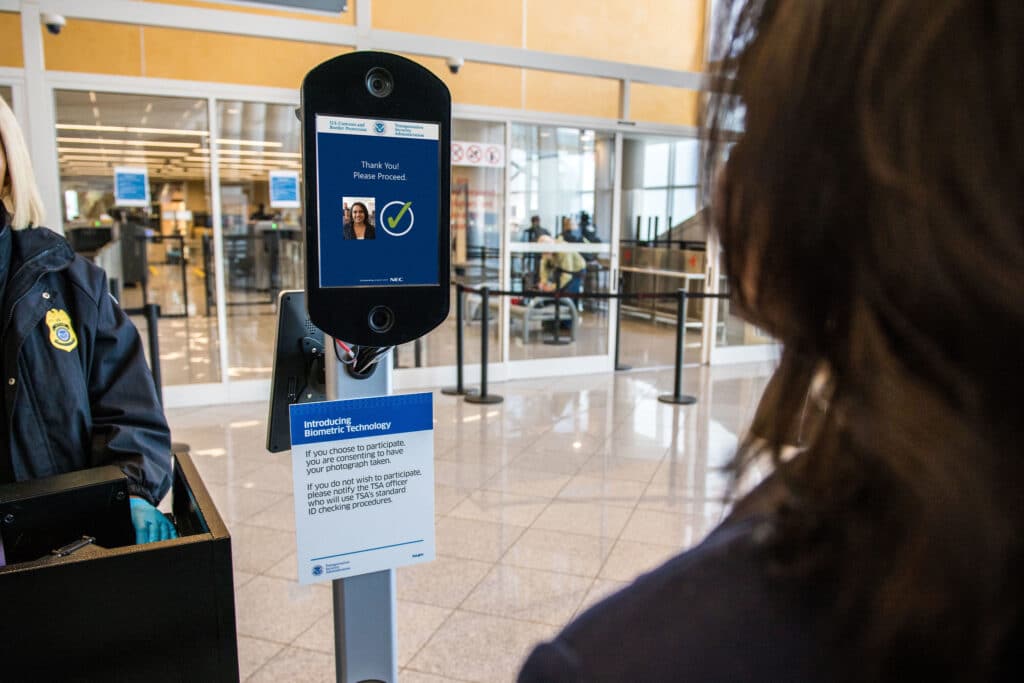
The Transportation Security Administration (TSA) is moving forward with revisions to how it collects and manages identity information from air travelers, while separately preparing to roll out a new paid identity verification option for passengers who arrive at airport checkpoints without a REAL ID or other acceptable identification.
In a notice published in the Federal Register for public comment, TSA announced its intent to seek approval from the Office of Management and Budget to revise an existing public information collection associated with the TSA PreCheck Application Program.
The public comment period runs through March 16, and outlines updates to the biographic and biometric information TSA collects to vet and manage trusted travelers.
The information collection covers the voluntary submission of personal data, including name, date of birth, contact information, proof of citizenship or immigration status, and biometrics such as fingerprints and facial imagery.
TSA uses this information to verify identity and conduct security threat assessments for PreCheck applicants, drawing on criminal, immigration, intelligence, and regulatory databases.
As part of that process, applicant fingerprints are checked against the FBI’s Next Generation Identification system and may be retained for ongoing vetting through the FBI’s Rap Back service for the duration of an individual’s eligibility period.
The notice also details how applicant biometrics are enrolled in Department of Homeland Security systems, including the Automated Biometric Identification System which supports recurrent vetting and biometric-based identity verification at airport checkpoints.
TSA says the revisions reflect broader efforts to modernize its trusted traveler infrastructure and improve customer experience.
Among the changes described is the formal inclusion of the MyTSA PreCheck ID, a mobile credential that allows eligible trusted travelers to verify their identity at security checkpoints and receive expedited screening benefits. Participation is voluntary and requires travelers to submit additional biographic and biometric information to provision the credential to a mobile device.
The revised collection also incorporates the TSA Customer Service Portal, a centralized platform that allows enrolled travelers to view and manage their program information, upload documents, receive official correspondence, and opt in or out of certain program features.
Access to the portal requires a Login.gov account, aligning TSA’s traveler services with the federal government’s centralized authentication platform.
The Federal Register notice further describes a partnership with U.S. Customs and Border Protection that allows certain biographic and biometric data collected during TSA PreCheck enrollment to be reused for Global Entry vetting when travelers choose to opt in.
TSA says the arrangement is intended to reduce duplication and expedite processing across trusted traveler programs.
TSA estimates the information collection will cover more than 25 million respondents over a three-year period, with an average annual burden of approximately 4.7 million hours.
Application fees for TSA PreCheck remain unchanged, averaging $80 for initial enrollment, $70 for online renewals, and $75 for in-person renewals, with fees covering TSA program costs, enrollment vendors, and FBI background checks.
While the Federal Register notice focuses on trusted traveler enrollment and identity management, its publication coincides with a separate policy change affecting passengers who do not have compliant identification.
Beginning February 1, TSA will roll out a modernized version of TSA ConfirmID, offering travelers without a REAL ID or other acceptable identification the option to pay a $45 fee to complete an alternative identity verification process and proceed through airport security.
Under the ConfirmID program, travelers can access a payment portal in advance of arriving at the checkpoint and use the alternative verification process if they arrive without acceptable ID.
TSA officials say the option is designed to preserve access to air travel while ensuring that the costs associated with additional identity verification are borne by the affected travelers rather than taxpayers.
“TSA ConfirmID will be an option for travelers that do not bring a REAL ID or other acceptable form of ID to the TSA checkpoint and still want to fly,” said Adam Stahl, the senior official performing the duties of TSA deputy administrator, in announcing the rollout. He said the fee structure is intended to discourage noncompliance while avoiding flight disruptions.
TSA has urged travelers flying on or after February 1 to prepare in advance, warning that those without REAL ID–compliant credentials may face delays or missed flights if they do not take advantage of the ConfirmID option.
Although ConfirmID provides a paid alternative, the agency continues to emphasize that obtaining a REAL ID or another acceptable form of identification remains the preferred way to ensure smooth passage through airport security.
Related Posts
-
 January 29, 2025
 -
 December 1, 2025
 -
 January 8, 2026
 -
 January 31, 2025
 -
 August 21, 2025
 -
 June 3, 2025
Article Topics
airport biometrics | biometrics | DHS | identity verification | passenger processing | PreCheck Touchless ID | trusted traveller | TSA | TSA ConfirmID | U.S. Government

Comments