
Switzerland Supreme Court says digital ID plan should go ahead
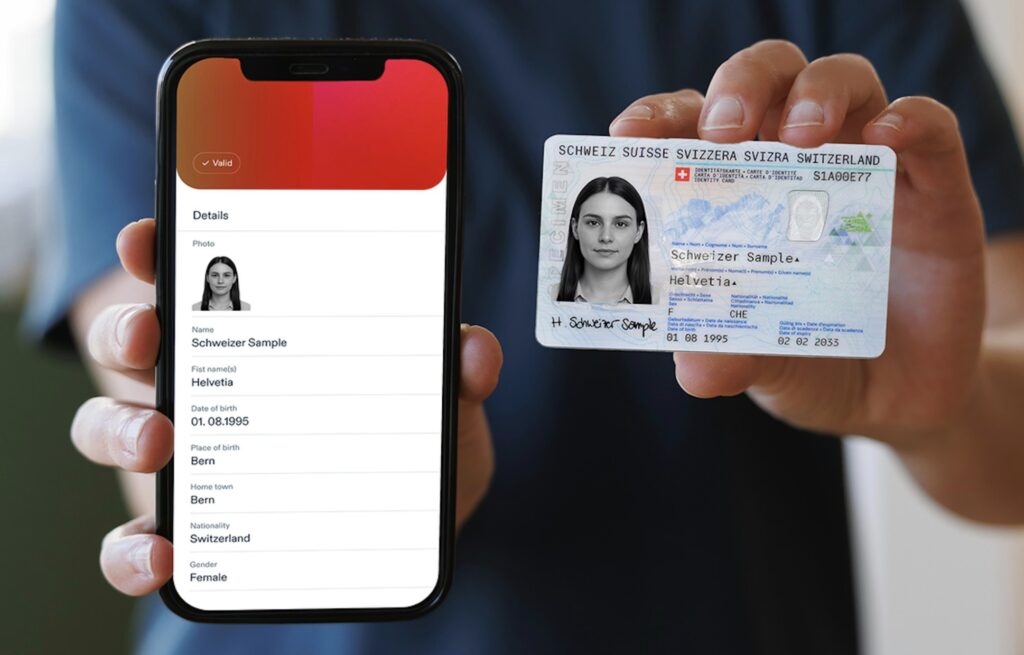
The apex court of Switzerland has ruled that the results of a referendum that endorsed the implementation of a national digital ID cannot be overturned.
There had been a legal challenge to the results of the vote, which was held in September last year, with the challengers claiming money given to some supporters of the pro-vote may have influenced the outcome of the exercise. Swisscom is said to have donated 30,000 Swiss Francs (US$38,000) to the yes campaign ahead of the referendum.
It would be recalled that 50.39 percent of voters during the referendum said yes to the government’s plan of introducing the e-ID, whose regulatory framework was greenlighted by parliament at the end of 2024.
Three of five judges of the Supreme Court were against the petition fronted by the Federal Democratic Union (FDU) to have the vote overturned, according to Swiss Info. They argued that not only was the objection brought too late to the court, but the irregularities being impugned were also deemed not serious enough to skew the final outcome.
The plan to introduce the national digital ID in Switzerland has faced severe criticism at various levels over the years, even after last year’s positive referendum results. This has forced the government to postpone the rollout of the digital ID to December, with a plan to continue ironing out outstanding issues with stakeholders including technical, governance and regulatory aspects.
Even before September’s referendum, the Swiss government had already conducted pilots for the digital identity project. At the time, citizens were called upon by authorities to participate in testing the open-source digital ID which could be obtained via a digital government wallet called Swiyu.
It is a privacy-preserving digital ID which makes it possible for the holder to disclose only the data they deem necessary.
The government says the digital ID card will have a chip that can store the cardholder’s biometric information, and citizens will have the choice of which ID model they would like to get. The standards of the card will also allow Swiss citizens to travel within the European Union in line with new requirements expected to go in force in the coming months.
Related Posts
-
 September 29, 2025
 -
 February 11, 2026
 -
 December 15, 2025
 -
 March 10, 2026
 -
 August 19, 2025
 -
 January 2, 2026
Article Topics
biometrics | digital ID | identity management | Switzerland | SWIYU

Comments