
Texas AG opens investigation into Meta glasses over privacy, biometric concerns
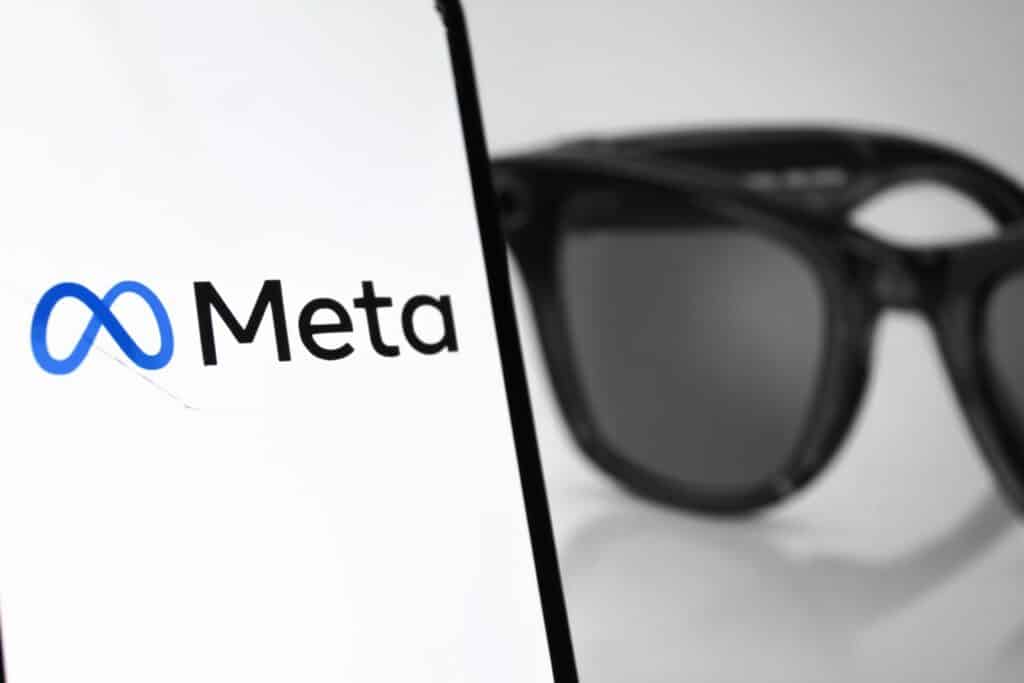
Texas Attorney General (AG) Ken Paxton announced Wednesday that he has opened an investigation into Meta’s AI-enabled smart glasses, escalating scrutiny of wearable cameras and AI tools that can quietly capture, process, and potentially analyze the people and places around the wearer.
Paxton’s office issued a Civil Investigative Demand to Meta as part of a probe into the company’s Meta AI Glasses, including Ray-Ban Meta smart glasses, over concerns about privacy representations and the devices’ ability to expose Texans’ private data, recordings, and facial geometry.
The investigation focuses on whether the glasses may unlawfully record people, monitor bystanders, or collect biometric information without adequate notice or consent.
In July 2024, Paxton secured a $1.4 billion settlement with Meta to stop the company’s practice of capturing and using the personal biometric data of millions of Texans without the authorization required by law.
Paxton’s latest inquiry places Meta’s expanding wearable AI business directly in the path of Texas’ aggressive biometric privacy enforcement.
“Meta’s AI glasses are a privacy nightmare for Texans,” Paxton said in announcing the investigation. “These devices can easily invade personal privacy by collecting biometric data and recording Texans without their knowledge or consent.”
Meta’s smart glasses are designed to look like ordinary eyewear but include cameras, microphones, speakers, and AI features that allow users to capture photos, record video, livestream, listen to audio, make calls, and interact with Meta AI.
The devices are marketed as a hands-free way to remain present while still documenting or querying the world around the wearer.
Meta’s own product materials say Ray-Ban Meta AI glasses give users control over what they share and encourage wearers to respect others’ preferences, stop recording when asked, power the glasses off in sensitive spaces, and show people how the capture LED works when recording.
Paxton’s investigation, however, is aimed at the gap between those privacy assurances and the realities of a device that places a camera and microphone on a person’s face in everyday public and private settings.
According to Paxton’s office, the glasses allow wearers to capture and share audio and video data from their surroundings, and cited Meta’s privacy policy as saying the glasses have an “always enabled” mode that permits the device to process video data for use with Meta AI products.
Paxton’s office said the glasses include a small LED indicator that activates during audio and video recording but argued that the indicator can be easily hidden and is not active during the “always enabled” mode.
Paxton’s office also pointed to reports that private consumer video has been accessed by Meta subcontractor workers, including sensitive footage, and that automatic face-blurring has not always functioned as intended.
The investigation comes amid heightened concern that Meta may add facial recognition capabilities to its smart glasses.
Meta has not publicly launched facial recognition on the glasses, and the existence of an internal project does not by itself mean the feature will be released. But the reported possibility has already triggered a major civil liberties response.
More than 70 advocacy organizations, including the American Civil Liberties Union and the Electronic Privacy Information Center, warned Meta that adding facial recognition to Ray-Ban and Oakley smart glasses would create serious risks for abuse victims, immigrants, LGBTQ+ people, protesters, workers, and others who rely on some degree of practical anonymity in public.
Paxton’s investigation is likely to examine whether Meta’s practices implicate Texas’ biometric privacy law, consumer protection statutes, or both.
Texas law restricts the capture of biometric identifiers, including records of face geometry, without notice and consent. The state has already used that law against Meta and Google, securing large settlements over alleged unlawful collection of biometric and other personal data.
In 2025, Texas also announced a $1.375 billion settlement with Google over claims involving location tracking, incognito browsing data, and biometric data collected through products such as Google Photos and Google Assistant.
Paxton’s new Meta glasses investigation fits squarely within that enforcement pattern. He is not only looking at what a technology company says in its privacy policy, but at how a product operates in the real world and whether consumers and bystanders can meaningfully understand or control what is happening to their data.
For Meta, the probe arrives as smart glasses are becoming one of the company’s most visible AI hardware products. Meta has increasingly positioned AI glasses as a bridge between smartphones and future augmented reality systems, betting that consumers will adopt devices that can see and hear the world from the wearer’s point of view.
Meta’s privacy materials have attempted to address some of the concerns by telling users to obey the law, avoid harassment, respect people who do not want to be photographed, and power the glasses off in private spaces such as doctors’ offices, locker rooms, public bathrooms, schools, and places of worship.
Meta also says that if the capture LED is covered, the wearer will be notified to clear it before taking a photo or video or going live.
For now, Paxton’s action is an investigation, not a lawsuit. The Civil Investigative Demand allows the attorney general’s office to seek information from Meta as it evaluates whether the company has violated Texas law.
The outcome could help determine how far companies can go in embedding cameras, microphones, and AI into ordinary wearable devices before they trigger biometric privacy laws, consumer protection claims, or new legislative demands.
It could also test whether a small recording light and a set of responsible use guidelines are enough to protect people who never agreed to be part of the system in the first place.
Related Posts
-
 April 14, 2026
 -
 February 13, 2026
 -
April 1, 2026
-
 May 30, 2025
 -
 October 29, 2025
 -
February 20, 2026
Article Topics
biometrics | data privacy | facial recognition | Meta | Meta glasses | Texas | wearables

Comments