
Veriff dares you to take the Deepfake Quiz – but can you beat Biometric Update?
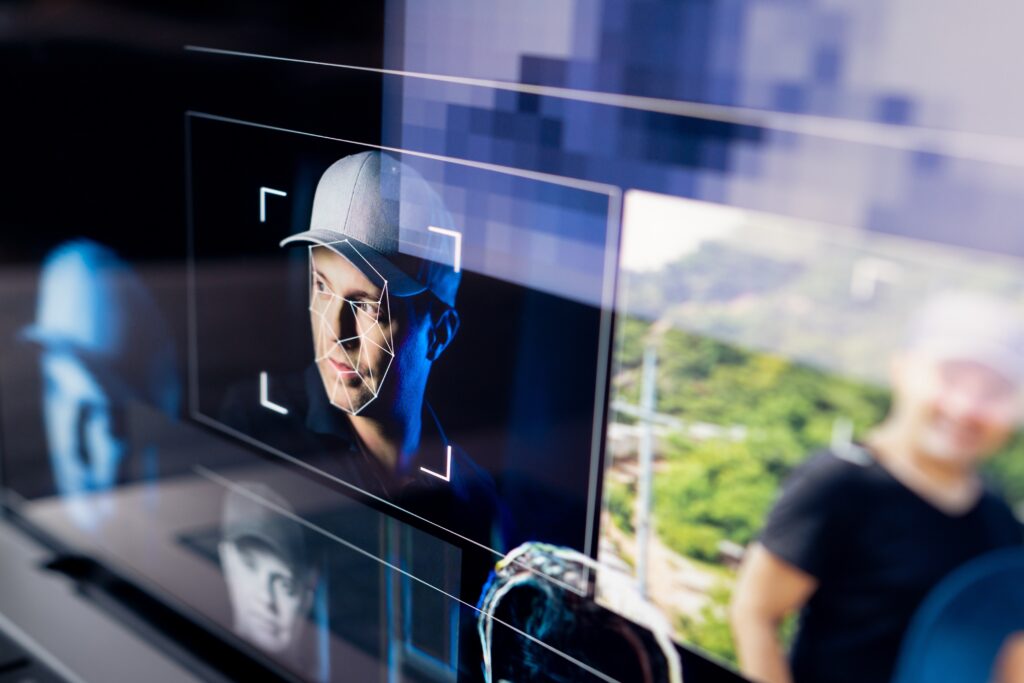
Everyone else fails at this – but it might work for me. So goes the thinking plaguing organizations and individuals who continue to believe that biometric deepfakes are easy to spot. Veriff has spun up a way for people to back up their claims, in the form of a free online deepfake guessing game to accompany the release of the 2026 Veriff Deepfakes Report.
Veriff’s deepfakes quiz shows the user 12 photos and videos, some real and some fake. How tough is it? Biometric Update took the test and guessed 10 out of 12 correctly, or 83 percent. But the average, says Veriff, is just 55 percent – reflecting a generally middling awareness of the threat in the U.S. According to the report, only 63 percent of U.S. adults say they are familiar with the term “deepfake,” compared with 74 percent in the UK and 67 percent in Brazil.
Veriff’s U.S. market report is based on a large-scale survey conducted with Kantar in February 2026. It shows that “detection accuracy is barely better than a coin flip at 0.07/1.0,” and looks at the implications for the U.S. economy of this scenario, as synthetic identities are increasingly used to open fraudulent accounts, authorize transactions and bypass verification checks.
Deepfake videos prove hardest to spot
“Everyone in the identity industry talks about the threat of synthetic media, but very few have asked the most fundamental question: can people actually tell real from fake?” So writes Veriff Fraud Platform Lead Ira Bondar-Mucci in the report’s introduction.
The answer is, not really, and especially not if it’s a video deepfake. “Fake videos were frequently perceived as authentic, while genuine videos were often misidentified as fake, writes Bondar-Mucci. “When real and fake videos were presented side by side, results differed clearly by gender. For the male video pair, respondents were nearly evenly split (52 percent correct). But for the female pair, a clear majority (70 percent) misidentified the fake as real, making it one of the hardest visuals in the entire study to correctly assess.”
“If the humans on the other side of a screen can’t distinguish an authentic identity from a manufactured one, then every digital interaction that relies on visual trust is compromised,” she says. “That’s not a future risk. It’s a present reality.”
Nonetheless, there remains a substantial gap between confidence and competence. The report shows around half of U.S. respondents believe they can reliably spot manipulated media, by relying on indicators including unnatural-looking skin or unnatural movements. “Yet their performance remains close to chance.”
This gap, Bondar-Mucci says, “creates a false sense of security that fraudsters and bad actors are primed to exploit. When people believe they can’t be fooled, they stop looking for the signs – and that’s precisely when they’re most vulnerable, whether to a synthetic identity used in financial fraud or a fabricated video designed to manipulate trust.”
Concern is high, protection is low
It’s not that Americans aren’t concerned, with 79 percent expressing worry about deepfakes. But that doesn’t translate to vigilance: “compared to respondents in the UK and Brazil, Americans are more likely to trust social media platforms and digital services to identify and manage AI-generated content. This creates a potential mismatch between perceived and actual protection.”
The message is clear: “seeing is no longer believing,” Bondar-Mucci writes. “The most dangerous element of this report isn’t that deepfakes are becoming increasingly sophisticated, but that people think they can tell, and they cannot.”
“Any organization that still relies on manual review processes or customer self-attestation is inheriting this vulnerability directly. Verification needs to be built into systems by default. The most effective defense is one that keeps humans in the loop, empowered by AI systems that detect what the eye cannot, flag what intuition misses, and verify identity at a level of precision no individual can sustain on their own.”
Related Posts
-
 June 3, 2025
 -
 April 29, 2026
 -
 October 10, 2025
 -
 July 31, 2025
 -
 March 27, 2026
 -
 December 16, 2025
Article Topics
AI fraud | biometrics | deepfake detection | deepfakes | Veriff

Comments