
UK digital ID plans have more opponents than details
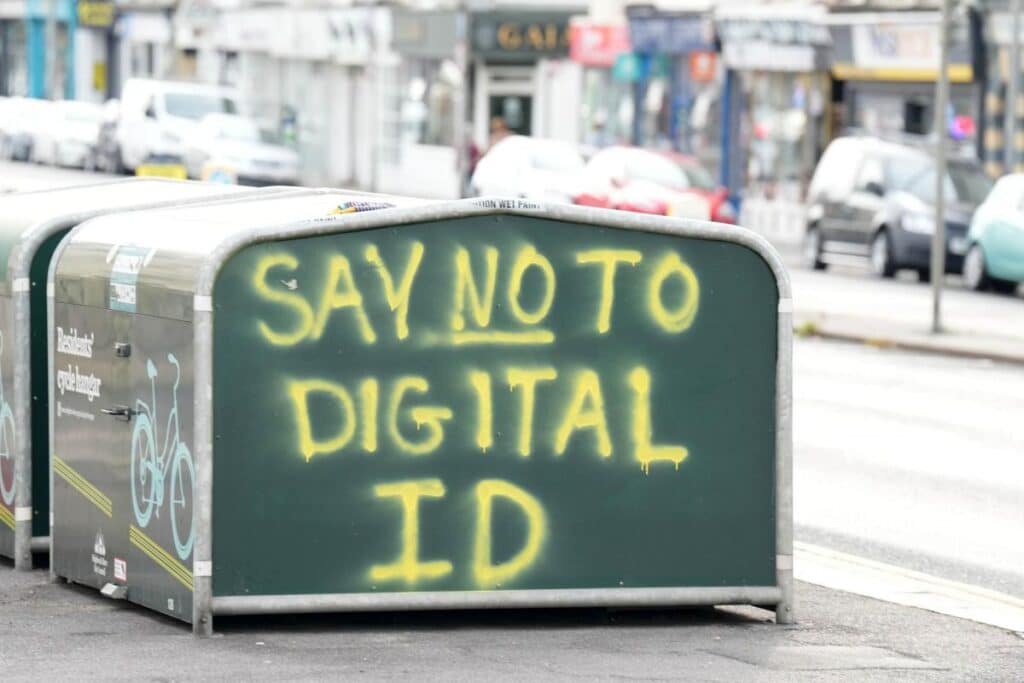
The UK’s plans to issue a national digital ID by 2029, announced on Friday, are being received with a mix of defiance and concern. Stakeholders suggest that the scheme is inconsistent with identity systems already established in Scotland and across the UK, will not have its desired effect, and observers are wondering aloud if giant foreign corporations will influence its implementation.
In the absence of detailed plans, the role of Former Labour Prime Minister Tony Blair has received additional scrutiny, adding a layer of suspicion and intrigue to the wall of noise.
Meanwhile, the official petition demanding a repeal of the digital ID policy is about to reach 2.5 million signatures. It will be considered for debate in parliament, but it is worth remembering that a 2019 petition calling for Brexit’s reversal had 6 million signatures when it was brought to the floor of Parliament for rejection.
The divided Kingdom
The major political parties of Northern Ireland united in opposing the mandatory digital ID, ITVX reports. SDLP Leader Claire Hanna suggested Northern Ireland should be exempted from the system.
A common refrain offered is that digital IDs will not stop illegal migration. The criticism is generally offered without an alternative proposal to achieve the same goal.
Scotland First Minister John Swinney said he will oppose the digital ID plan, particularly given his country’s “ScotAccount” is on track to reach 500,000 users by year-end following a beta launch in July. Scotland’s population is estimated at about 5.5 million.
A bridge to American Big Tech
A recent report from Lighthouse and the New Statesman says that Oracle Founder Larry Ellison’s Foundation has given 257 million pounds (roughly US$345 million) to the Tony Blair Institute since 2021.
Former employees of the TBI told the publications that its tech policy is inseparable from that of Oracle. A spokesperson for the TBI denied that it advocates for Oracle’s commercial interest.
Another former TBI employee said meetings including representatives from both organizations were conducted as if they were one company.
Oracle has earned over a billion pounds in public contracts since 2022.
Blair also “encouraged” Peter Kyle, prior to his shift from Tech Secretary to Business and Trade, to meet with the for-profit Ellison Institute of Technology at Oxford University, The New Statesmen reports.
An irate marketplace
Law and digital identity consultant Richard Oliphant told Biometric Update in an email that the UK’s accredited identity service providers are desperate to establish whether there are boundaries between the government’s One Login and digital wallet plans, the mandatory digital ID, and the DIATF.
The Digital ID Explainer provided by the government states that it will support “a range of uses across the private sector.” Where that leaves the dozens of businesses that have invested significant time and money into certification to the Digital Identity and Attributes Trust Framework (DIATF) is unknown at this time. No reference is made in the explainer to the DIATF.
Oliphant suggests the OfDIA and GDS should set up a meeting to explain the situation to DIATF-certified identity suppliers as soon as possible.
Related Posts
-
 February 26, 2025
 -
 September 16, 2025
 -
 November 18, 2024
 -
 October 1, 2024
 -
 April 11, 2025
 -
 June 6, 2025
Article Topics
BritCard | digital ID | Digital Identity and Attributes Trust Framework (DIATF) | digital wallets | Oracle | Richard Oliphant | Tony Blair Institute | UK | UK digital ID

Comments