
Next steps in Papua New Guinea’s DPI rollout include digital ID for KYC, AI adoption
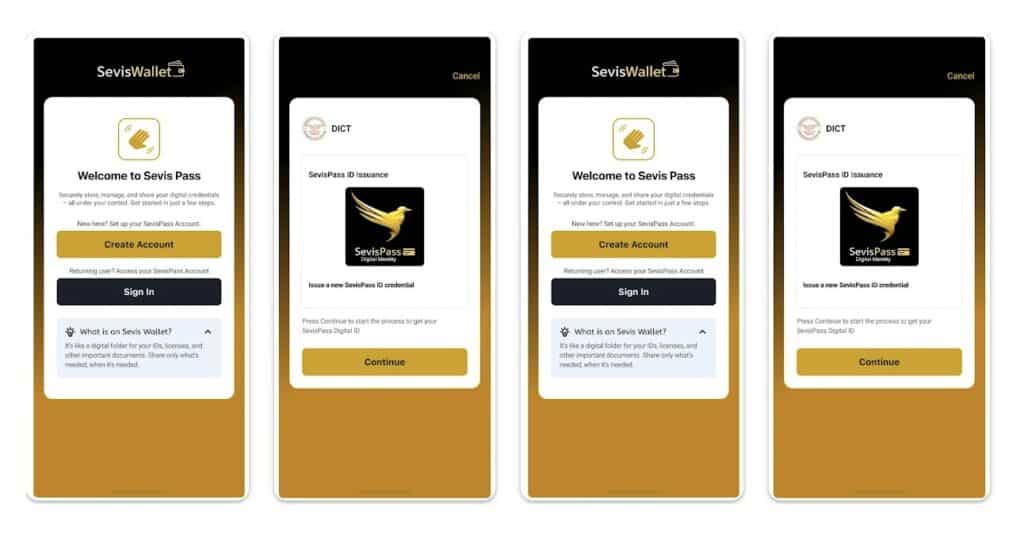
Papua New Guinea’s accelerating march through digital government transformation now includes an AI adoption framework, a workshop on implementing the SevisPass digital ID as part of an ecosystem of digital public infrastructure and a pilot of remote KYC checks for online bank account applications using the national digital wallet. The efforts are part of a coordinated campaign to onboard organizations across various sectors, implement a unified commercial model and establish the necessary regulatory regime as the next steps in PNG’s DPI rollout.
A pilot of digital bank account opening through the SevisWallet app has been launched by MiBank, in partnership with the PNG government. Bringing digital identity verification to the country for account opening is expected to ease KYC checks, strengthen AML and counter-terrorism financing (CTF) compliance, lower onboarding costs and improve the accessibility of financial services.
Tech5 built Papua New Guinea’s decentralized DPI ecosystem, including both SevisPass and SevisWallet, which launched last year.
The Ministry of Information and Communications Technology also intends to build out the country’s digital identity program by launching a digital ID card specifically for public services, digitized versions of PNGs CPA (accounting) Membership and Nasfund (retirement benefits) Membership cards and the introduction of online electoral roll enrollments and updates.
Acting Minister for Information and Communications Technology Peter Tsiamalili Jr. says the pilot represents a practical step towards implementing the National Digital Identity Policy 2025 as a core component of PNG’s digital public infrastructure, according to a government announcement.
AI as force multiplier digital government
PNG has also introduced a Government Adoption Framework for Artificial Intelligence (Part 1), according to a LinkedIn post from Steven Matainaho, chairman of the Public Service ICT Steering Committee within PNGs Department of Information and Communications Technology (DICT).
The goal is to make sure AI has an accelerating effect, rather than a fragmenting one, on Papua New Guinea’s digital government. The announcement suggests that the service transformations enabled by digital government can be increased and delivered through DPI, while positioning AI as an exponential force multiplier.
The framework sets out an AI adoption path based on layers of defined architectural stacks, modularity to ensure it is reusable and interoperable, ethical and sovereign.
A consultation on the proposed framework is now open.
SevisPass maturity
DICT held a SevisPNG Ecosystem Implementation Workshop last week with 25 stakeholders to align them around a sustainable business model for the country’s DPI, and approaches to adoption and regulation.
Ahead of the workshop, DICT explored use cases for the country’s digital ID, SevisPass. A government technical team met with representatives of Bank South Pacific (BSP) to consider the potential for SevisPass to fulfill KYC requirements for customer identity verification and opening bank accounts.
Acting Deputy Secretary Jessy Sekere described the meeting with BSP as just one of many held ahead of the workshop.
“The entire week was hectic as we met with various government agencies, including the Electoral Commission, and other stakeholders who are very keen on defining a use case in the SevisWallet app,” Sekere said, as quoted in a LinkedIn post from DICT.
MiBank was at the workshop, the department says, along with the Bank of Papua New Guinea, other banks, superfunds and other financial institutions, telcos, government data authorities and universities.
PNG’s DPI includes the Tech5-built SevisPass digital ID and the SevisWallet to share it from, along with the SevisDEx data exchange and the SevisPay digital payments app.
As it seeks to make them more practical useful with improved connectivity and network resilience, the country approved a $120 million digital infrastructure package in February.
Related Posts
-
 May 22, 2025
 -
 July 21, 2025
 -
 July 16, 2025
 -
 August 19, 2025
 -
 June 6, 2025
 -
 November 17, 2025
Article Topics
biometrics | digital government | digital ID | digital identity | identity verification | KYC | Papua New Guinea | SevisPass | SevisWallet | TECH5

Comments