
Disney hit with class action over facial recognition at California parks
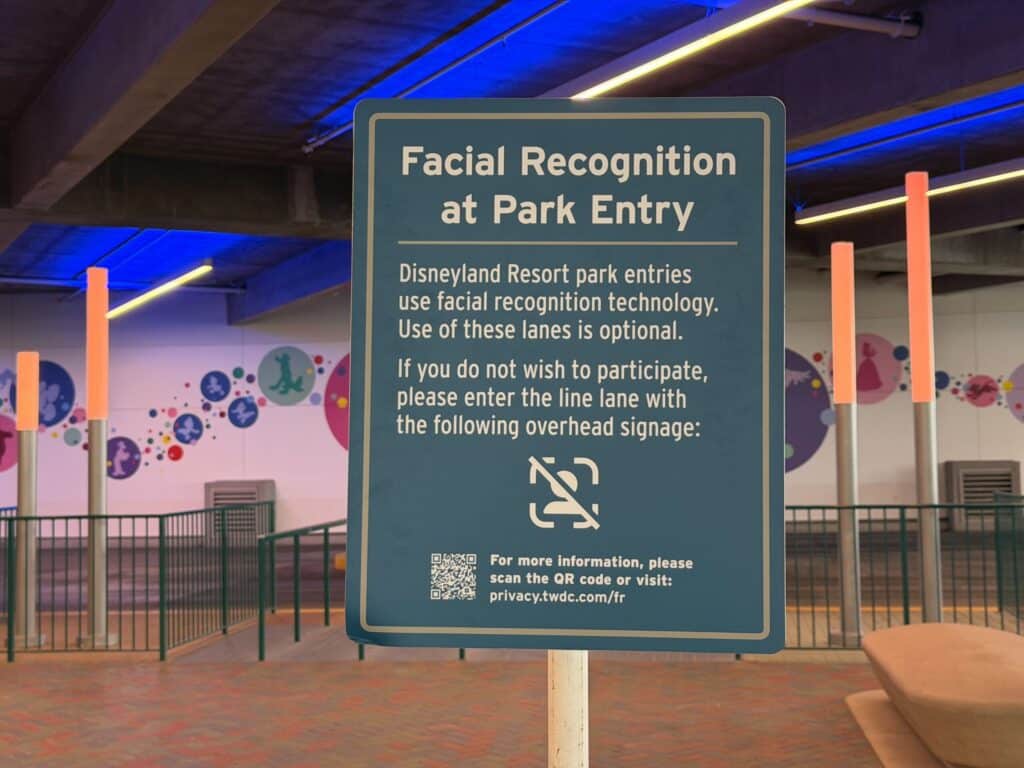
Disney is facing a proposed class action alleging the company illegally collected visitors’ biometric data through facial recognition systems at its California theme parks, Disneyland and Disney California Adventure Park, without obtaining meaningful consent.
The complaint, filed by theme park guest Summer Christine Duffield in a New York U.S. District Court, says Disney “does not adequately disclose the use of their biometric collections, so consumers – which almost always include children – have no idea that Disney is collecting this highly sensitive data.”
“Beginning as late as April 28, 2026, Disney began to implement facial recognition collection at entrances of the Disney Theme Parks which are located in California,” it reads. “Unfortunately, for visitors of Disney Theme Parks, including Plaintiff Duffield and Class members, they have no idea whatsoever that their biometrics – data which are more permanent than a Social Security number and which cannot be changed or altered – were collected without adequate consent.”
The suit seeks at least $5 million on behalf of park visitors – including, the complaint notes, kids.
“Disturbingly, Disney states that it collects facial recognition from children so long as they have consent of their parent – but children, who are the primary visitors at Disney Theme Parks, cannot consent to such a profound invasion of privacy given they cannot consent to contract away their privacy rights.”
Modified entrance signs not enough to constitute disclosure
Among the problematic issues is signage. Disney set up its optional facial recognition lanes at main entrances to Disneyland Park and Disney California Adventure Park, to facilitate ease of re-entry and help cut down on fraud. A notice on Disney’s website explains that facial recognition lanes are labeled “Entrance” on overhead signage at the parks’ entrances.
“If you do not wish to use this service, please enter through the parks’ main entrances located along the Esplanade and choose an entrance lane displaying ‘Entrance’ on overhead signage. When using these entrance lanes, you may still have your image taken. However, these lanes will not utilize biometric technology on your image. Instead, a Cast Member will manually validate your ticket.”
The confusion here is in an emoji or graphic that Disney has used to indicate lanes for which facial recognition will not be used. The graphic shows a face with a slash through it – like no smoking, but for biometric data collection. However, the distinction is minor enough to cause confusion on its own, and Disney has not helped its case by failing to put, on its privacy notice, a working emoji; as it stands, customers may be forgiven for not understanding the difference between the two lanes, which Disney suggests are labeled identically.
The class action, was filed, suggests Disney should require written consent from visitors before implementing facial recognition technology, and says disclosure in the cases of its two California parks was insufficient. “Guests should be able to expressly opt in to this type of sensitive facial recognition technology with written consent,” says the complaint. “The onus of privacy rights should not be on the victim.”
As such, “Plaintiff Duffield, on behalf of herself and all others similarly situated seeks to rectify these harms under state, and common law causes of action, pursuing actual damages, statutory and/or liquidated damages, restitution, disgorgement of profit into a constructive trust, pre- and post-judgment interest, reasonable costs and attorneys’ fees, a declaratory judgment, injunctive relief and any other relief this Court deems just and proper.”
A spokesperson for Disney Resorts issued a statement saying “we respect and protect our guests’ personal information and dispute the plaintiff’s claims, which we believe are without merit.”
The lawsuit reflects broader tensions around the growing use of biometric systems in consumer environments, where facial recognition is increasingly deployed for convenience, fraud prevention and access control while regulators and litigants push for stronger disclosure and consent standards.
Related Posts
-
 August 25, 2025
 -
 April 30, 2026
 -
 April 10, 2026
 -
April 20, 2026
-
 October 22, 2025
 -
 July 24, 2025
Article Topics
access control | biometrics | data collection | Disney | facial recognition | lawsuits

Comments