
Germany moves to allow police facial recognition searches of online images
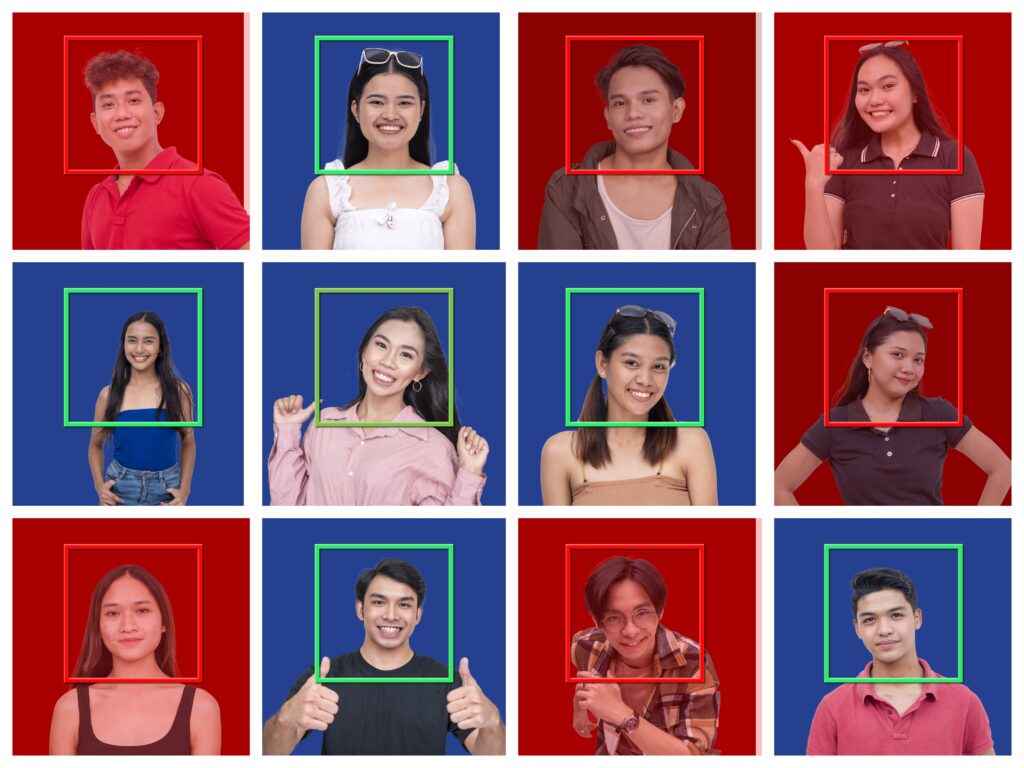
Europe’s largest internet industry association, eco, has warned against Germany’s plan to allow its law enforcement agencies to run automated biometric searches against publicly accessible online images to identify suspects, calling the new proposals a “blueprint for digital mass surveillance.
The German Federal Council, or the Bundesrat, is proposing a modernization of the country’s Code of Criminal Procedure (StPO-E), including expanded digital investigative powers. Aside from automated biometric matching with publicly accessible Internet data, German police agencies would also be able to retain IP addresses for longer and cross-analyze data from unconnected law enforcement databases.
The proposal, however, is facing backlash from both privacy advocates and eco, which gathers 1,000 members from the European tech sector.
“The Internet is not a biometric search archive,” says Klaus Landefeld, member of the Board at eco. “Anyone who makes publicly accessible content automatically searchable for faces or identities is shifting the boundary between targeted law enforcement and general digital observation.”
Eco says that effective investigative instruments are necessary in the digital sphere, but must be strictly limited under the rule of law. The current draft of the StPO-E, however, amounts to significantly more data retention, more data linking and a greater degree of intrusion, the organization notes.
“Security is not achieved through legally uncertain mass powers, biometric Internet searches and ever-new retention obligations,” says Landefeld. “Germany needs targeted, effective and controllable instruments – not a digital surveillance architecture in reserve.”
Over a dozen civil society groups, including the Chaos Computer Club, swiftly condemned the three proposed legislative amendments as threats to public anonymity and as widespread infringements on fundamental rights.
Critics warn the changes could pave the way for authorities to engage firms such as Clearview AI or PimEyes, and have flagged a possible clash with the EU’s AI Act, which prohibits the blanket use of biometric technology in public areas.
“What is being negotiated here under the label of modern investigative powers is, in reality, a massive expansion of state access to the digital sphere,” says Landefeld.
The government, for its part, maintains that revisions to the StPO would neither establish a permanent database nor enable live surveillance through public cameras but would simply streamline procedures that are already lawful.
StPO criticized for lack of clarity
The modernization of Germany’s criminal justice code has also run into issues on other fronts.
The Bundesrat says it wants clearer rules for automated data analysis conducted by law enforcement agencies. The analysis involves connecting previously isolated police databases to identify links between cases more quickly.
According to the draft, automated analysis of police data would be permitted for serious crimes with strict safeguards to prevent misuse. Section 98e(1) of the draft StPO-E notes that personal data for automated data analysis in criminal proceedings may only be further processed if it has already been “consolidated in a police analysis platform in the past.”
It is unclear, however, what is technically meant by “consolidated,” the Bundesrat, which represents the sixteen federal states of Germany, writes in a statement published Friday.
The document identifies another issue: the wording of Section 98e(1) means that states without a legal basis for automated analysis would be unable to automatically merge personal data and conduct automated analysis.
“The newly created authority would therefore be ineffective,” federal lawmakers note.
The initiative to reform the StPO was launched in September 2025 and will go to the Bundestag and Bundesrat for approval before becoming law. A similar proposal by Germany’s government failed in 2024, partly due to resistance in the Bundesrat.
Related Posts
-
 June 26, 2025
 -
 February 13, 2026
 -
 April 9, 2026
 -
 August 27, 2025
 -
 February 17, 2026
 -
March 25, 2026
Article Topics
biometrics | facial recognition | Germany | law enforcement | social media | surveillance

Comments