
UK prepares for eVisas as Labour lawmakers call for digital IDs
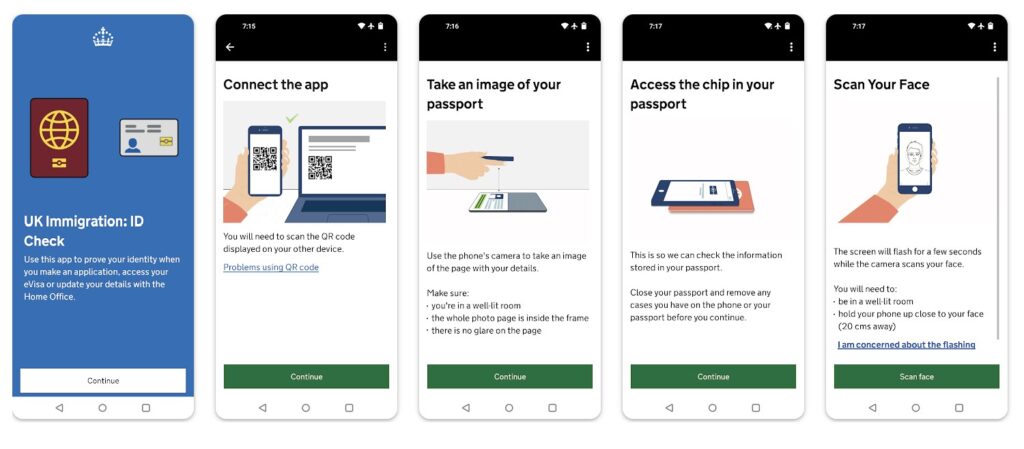
The UK is preparing to officially transition to electronic visas from July 15th. At the same time, the country is hearing more calls for the introduction of digital ID cards to combat irregular migration and employment, including the former head of MI6, Sir Alex Younger.
Starting on Tuesday, the UK will replace physical visa documents with the eVisa, a secure online record of immigration status linked with an individual’s passports. Millions of people already hold eVisas, which were designed to replace biometric residence cards (BRC), passport endorsements and vignette stickers in passports.
Some Labour politicians want to go further. Last week, Younger said that the country should adopt a national identity card system to help deter small boat crossings.
“It’s absolutely obvious to me that people should have a digital identity,” says Younger, who served as Chief of Secret Intelligence Service from 2014 to 2020.
He added that the absence of ID cards is a major pull factor for undocumented migration to the UK and derided the “weird anathema” around the idea among British politicians.
“Let’s stop shouting at the French; a lot of this is on us,” he told the BBC on Thursday.
Former Labour minister Harriet Harman echoed Younger’s opinion, stating that introducing digital ID cards would deter migrants coming to the UK illegally.
The comments came on the heels of a new UK–France agreement on migration control signed between UK Prime Minister Keir Starmer and French President Emmanuel Macron last week.
The deal is intended to solve the small boat crisis, which has presented a particularly thorny problem for Downing Street. Under the deal, both nations will implement a reciprocal exchange system where the UK will send back undocumented migrants who arrive by small boats to France, while simultaneously accepting an equivalent number of genuine asylum seekers who have family ties in Britain.
Digital ID beyond immigration
Digital identity could also solve other issues, such as checking people’s eligibility to vote, Baroness Herman told Sky News last Friday. Despite this, she is aware that the idea remains contentious among Labour politicians.
“I think now with the digital situation, and people have so much digital ID – I mean, it depends on whether or not you think the state is going to actually overstep the mark and oppress people,” says Baroness Harman.
“But I think there are things that the government has to do that people want them to do, which digital ID will enable them to do.”
Last month, the UK government said it was considering issuing a smartphone-based digital identity credential to every adult in the country called the BritCard. The mandatory credential would be used to prevent illegal migration through right-to-rent and right-to-work checks. The proposal was authored by Labour Together, a think tank closely associated with the Labour Party.
Hannah Rutter, deputy director of digital identity at the UK Department for Science, Innovation and Technology (DIST), has pointed out that previous attempts at introducing digital ID apps have been met with suspicion and rolled eyes. The problem is not the technology, it’s the lack of trust, she told audiences at the Identiverse conference in Las Vegas in June.
“These technologies aren’t new,” says Rutter. “I’ve had two digital identity apps on my phone for years. But if I showed one at a bar, they’d laugh and tell me to pull out my driver’s license.”
The UK’s latest approach is introducing a government-backed trust framework which aligns with existing ISO, cybersecurity and data protection rules. Identity service providers can get certified under the UK Digital Identity and Attributes Trust Framework (DIATF), recently renamed to Digital Verification Services (DVS).
“We’re not forcing people into one solution,” says Rutter. “We’re enabling a system of choices that are trustworthy, certified, and legally recognized.”
The most important part of the move towards digital credentials is the UK government’s plans to issue digital versions of government credentials, including driver’s licenses. This allows the state to become a data issuer that guarantees a digital credential originates from trusted sources. These credentials can then be added to a digital wallet and used to access public and private services.
“Not everyone has a passport or driver’s license,” Rutter said, according to cybersecurity news outlet SC Media. “We’re working to include other government-issued credentials to make this usable for more people.”
The country has recently passed a law establishing a legal basis for the acceptance of digital verification, the Data (Use and Access) Bill.
Aside from the DUA Bill, identity verification in the UK is also governed by the Data Protection Act 2018, UK GDPR, the Money Laundering, Terrorist Financing and Transfer of Funds (Information on the Payer) Regulations 2017, the Identity Document Act 2010 and the Immigration, Asylum and Nationality Act 2006.
Related Posts
-
 February 26, 2025
 -
 November 18, 2024
 -
 October 1, 2024
 -
 September 11, 2024
 -
 November 11, 2024
 -
 April 11, 2025
Article Topics
digital ID | digital identity | electronic visa | identity verification | immigration | UK | UK digital ID | visas

Comments