
IrisGuard seals deal for iris biometrics to secure salary payments in Jordan
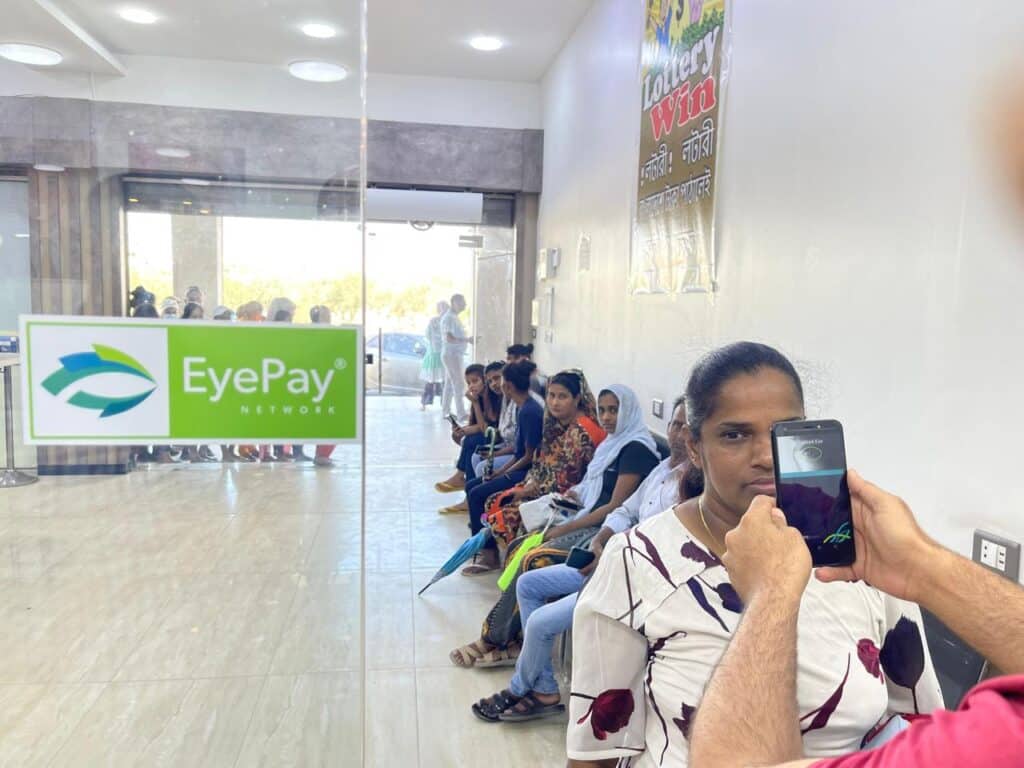
A new partnership between IrisGuard and Cairo Amman Bank in Jordan (CAB) has led to the launch of a nationwide iris biometrics-based system for salaries.
The company says that the deal is the first of its kind in the country, and its EyePay Network system powering it is designed to serve unbanked workers in the country.
Per the firm, the system has also been deployed in other parts of the region to serve unbanked blue-collar workers, allowing them to receive wages securely and efficiently using iris recognition technology.
Explaining how the system works, IrisGuard said workers are enrolled at their workplace using iris scans, and from that moment, their biometrics serve as the key to accessing wages.
With the system, enrolled workers can collect their salaries from licensed money exchangers across the country without any need for a physical ID or bank account, IrisGuard says. It also mentions that system protects against ID theft, wage misdirection, and administrative errors, while promoting financial inclusion.
“This is about transforming financial access at the source. By eliminating the need for bank accounts and physical IDs, our EyePay Network platform does not only protect vulnerable workers, but we are also changing how payroll can operate at scale securely and efficiently,” Managing Director and Founder of IrisGuard, Imad Malhas, said following the partnership.
Before this CAB deal, IrisGuard noted that its EyePay Network, which conforms to Better Work and International Labor Organization (ILO) standards, has also been used by one of Jordan’s top garment manufacturers, United Creations, to streamline salary payment for its workers. It is also used by money exchangers and remittance agents for direct bank account settlements, sparing them the need for cash reserves.
IrisGuard is a major player in Jordan’s digital transformation. The company’s existence in the Arab country dates back to 2001 and it has played a pivotal role in supporting the country in digitizing government services, driving financial inclusion and facilitating the distribution of humanitarian aid. Expatriates in the country also use iris biometrics to access government services.
Related Posts
-
 April 1, 2025
 -
 October 23, 2024
 -
 April 17, 2025
 -
 March 10, 2025
 -
 May 6, 2025
 -
 September 26, 2024
Article Topics
biometrics | digital ID | EyePay Phone | financial inclusion | iris biometrics | IrisGuard | Jordan

Comments