
Google expands Identity Check biometrics use with Android update
Phone theft is extremely annoying but it happens. Whether it’s snatched on the street, or stolen after being left somewhere, that rectangular bar of plastic, metal and glass is the gateway to modern life. Hence the phenomenon of battery anxiety. And the need for better security.
Google updates and biometrics solutions are coming to thwart the thieves as the software and search giant is bringing new theft protection features to Android. Samsung is also bringing features with a new privacy layer for Galaxy phones.
For devices running Android 16+, a settings toggle is coming to Failed Authentication Lock. This feature automatically locks the device’s screen after repeated failed authentication attempts. It’s now getting a dedicated enable and disable toggle.
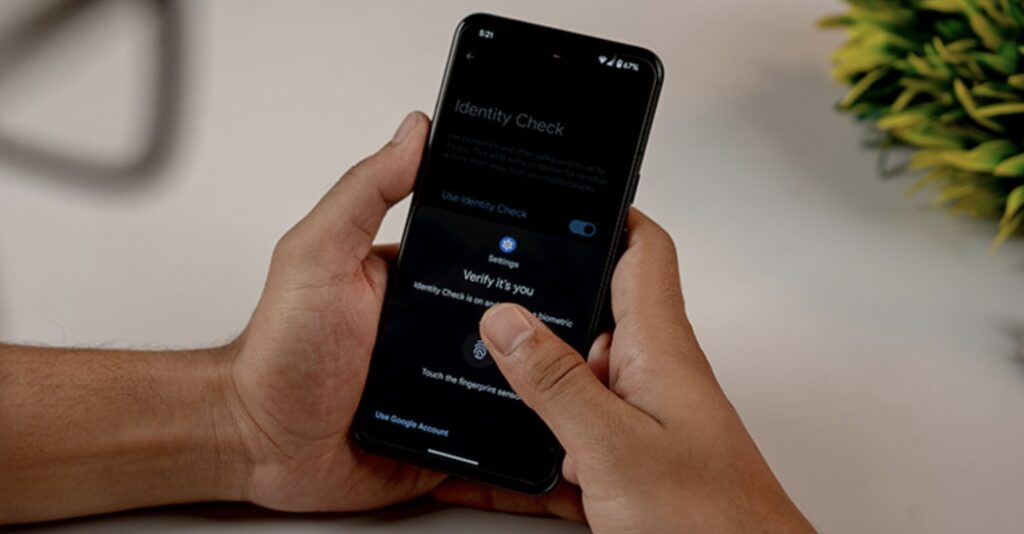
The bigger news is that Identity Check is being expanded along with Biometric Prompt. This means the likes of banking apps and Google Password Manager will require biometric authentication. In early 2025, Google enabled Identity Check for Android 15+ which meant biometrics could be used for performing certain actions.
Now, biometrics used for Identity Check have been extended to all features and apps that are covered by Android Biometric Prompt. Identity Check requires users to validate they’re the owners of a device by passing biometric authentication.
In addition for Android 16+, longer lockout times have been added following failed PIN and pattern and password attempts, while identical guesses are now excluded from retry limits. Theres enhanced recovery tools for greater control for Remote Lock, and “Default-On” features are coming specifically to Brazil. More on these can be found on Google’s blog post.
Samsung has built its Knox security ecosystem over the years and it’s adding a new privacy layer to guard against “shoulder surfing” — when strangers might peep your phone’s screen. Samsung says the new layer is customizable, allowing users to raise their guard with particular apps, or for when you enter access details in certain areas on your phone.
It took more than five years of “engineering, testing and refining to get here,” according to Samsung. “We studied how people use their phones, what they consider private, and how security should feel in everyday life.” This privacy layer is coming to Samsung Galaxy devices “very soon,” the company posted on its blog.
In November 2025, Metalenz partnered with semiconductor foundry United Microelectronics Corporation (UMC) to begin mass production of Polar ID, a compact biometric solution designed to deliver secure face authentication for consumer electronics. The UMC deal positioned Polar ID to power face unlock for a future Samsung phone, with a leaker reporting that the Korean phone maker had tested Metalenz face biometrics for a future flagship phone.
Related Posts
-
 January 8, 2026
 -
 February 6, 2025
 -
 February 4, 2025
 -
 July 31, 2025
 -
 June 19, 2025
 -
 February 28, 2025
Article Topics
Android | biometrics | data protection | Google | Google Identity Check | Samsung | smartphones

Comments