
Russia’s Max app reaches 120M users as digital ID ambitions face trust gap
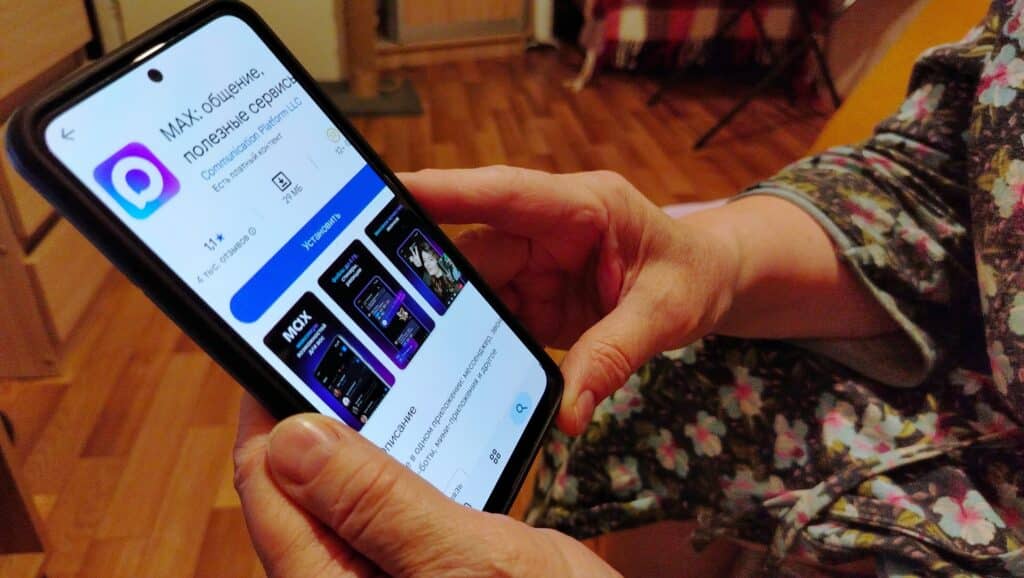
Russia’s state-backed Max platform has reached 120 million registered users less than a year after launch, giving the government a potentially powerful channel for digital identity, public services and citizen engagement. Yet the app’s rapid growth has been accompanied by persistent concerns over surveillance, data access and state control.
The Max app was created by Russian tech firm VKontakte and designed to emulate China’s WeChat, combining digital IDs with messaging, money transfers, government and private services, e-signatures and social media functions. Although the government is presenting it as a push towards digitalization, many see it as a way to surveil Russians and distance them from Western platforms and independent sources of information.
The debate highlights a challenge facing many government-backed digital identity initiatives: adoption can be accelerated through integration with essential services, but long-term success depends on public trust in how personal data is collected, stored and used.
The government’s agenda for the app since its launch has been to reach as many users as possible. According to a State Duma decision, Max comes pre-installed on all smartphones, tablets, and other devices sold in Russia as of September 1st, 2025.
Those who do not already have the app installed are under pressure to download it. Some have it because their employers require it, others because of their children’s school demands, AFP reports.
Despite the push, fears of surveillance and censorship continue to build around the app. Local media have reported that even Russian officials are buying separate phones and SIMs to install Max due to suspicions of spying.
“Everyone thinks that if you install Max on your phone, it’s the same as handing it over to the FSB,” a source close to the Russian government told Faridaily, the Telegram news channel of Russian journalist Farida Rustamova.
Max stores user metadata, including IP addresses, contact lists, and activity timestamps, and may share this information with state authorities under its privacy policy. Because the app operates within Russia’s laws on interception and data retention, the data is likely accessible to the Federal Security Service (FSB) and other agencies, Eto Buziashvili, a research fellow at Atlantic Council’s Digital Forensic Research Lab (DFRLab), notes in a case study of the app.
Earlier in May, a user on the Russian tech professionals site Habr known as zarazaexe claimed he reverse-engineered the Max app, publishing an account of its various tracking methods and other dangerous features. Max, in turn, responded that the information is fake and that all user data is securely protected, investigative outlet Meduza reports.
“Russia’s state-run messaging app Max has given rise to its own mythology, with numerous rumors and conspiracy theories attributing functions to it that it most likely does not possess,” writes David Frenkel, the data team lead for Russian news outlet Mediazona.
While there are significant risks from using it, they are far more concrete and prosaic than the horror stories being shared on the internet, he adds.
Public distrust appears likely to persist despite efforts to make Max more useful through expanded services and tighter integration with daily life, while authorities continue restricting access to competing platforms such as Telegram and WhatsApp.
Max can now be used for age verification when purchasing age-restricted goods, while the platform also offers booking doctor appointments and issuing medical documentation through an integration with the government services portal, Gosuslugi. Its developer, VKontakte, has struck a deal with Russia’s major telecom operators for users to receive authorization codes for online services, passwords for banking transactions, and service notifications.
In March, the platform also became available in nearly 40 countries that host sizable Russian diaspora communities or that Russia deems “friendly,” including Central Asian countries, Cuba, and Pakistan.
“All these services were either already available as separate apps, or there is simply no demand for them – or certainly not enough that people are ready to hand over all their personal correspondence to the state,” says Frenkel.
The long-term success of Max may depend less on the number of services it aggregates than on whether users come to trust it as a digital identity platform. For now, the government’s push for adoption appears to be advancing faster than public confidence in the system.
Related Posts
-
 March 10, 2026
 -
 July 16, 2025
 -
 August 19, 2025
 -
 July 1, 2025
 -
 December 10, 2025
 -
 November 13, 2025
Article Topics
biometrics | data privacy | digital ID | government services | Max | Russia | super app

Comments