
Digital ID measure passes Oklahoma House, moves to Senate
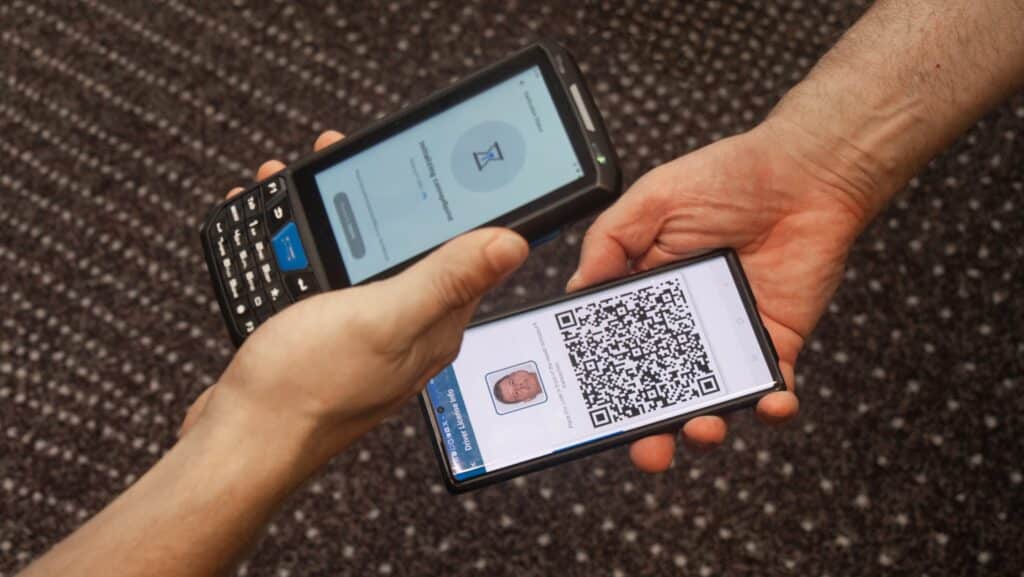
An Oklahoma bill that would let residents carry a digital version of their driver’s license (mDL) or state ID in a phone wallet has moved beyond the House vote and is now pending in the Senate.
House Bill 3015 passed the House 73 to 22 on March 25, was engrossed and sent to the Senate the following day.
The measure would authorize Service Oklahoma to issue electronic credentials for people already entitled to hold a physical driver’s license, permit, or identification card.
Under the House bill, electronic credentials would be treated as valid identification anywhere a physical driver’s license is accepted, while Service Oklahoma would be allowed to contract with a third party to build the system.
Any business or agency accepting the digital ID could retain only the data elements for which the holder explicitly gave consent.
“It has better security than just a normal credential you carry in your pocket. So it’s a great option to be able to use as we transfer into the digital world,” said Republican Rep. Dell Kerbs, the author of the legislation.
House fiscal staff said the bill carries no projected fiscal impact and could be implemented within existing resources.
The proposal would effectively revive Oklahoma’s digital ID effort after the state shut down its earlier OK Mobile ID app.
That earlier program ended after the U.S. Department of Justice found the app imposed critical accessibility barriers for blind and visually impaired users and later secured a settlement requiring Service Oklahoma to ensure any mobile apps it creates, administers or maintains comply with WCAG 2.1 Level AA accessibility standards.
If ultimately enacted and implemented, HB 3015 would put Oklahoma back into the ranks of a growing national push toward mobile credentials.
The Transportation Security Administration says it accepts certain state-issued mobile driver’s licenses approved for federal use, but those credentials must be based on REAL ID or other federally acceptable identification, and travelers are still advised to carry a physical ID.
Related Posts
-
 October 13, 2025
 -
 June 2, 2025
 -
 January 19, 2026
 -
 February 11, 2026
 -
 December 16, 2025
 -
 January 13, 2026
Article Topics
digital ID | digital wallets | mDL (mobile driver's license) | Oklahoma | United States

Comments