
Signicat adds Austria ID as Europe prepares for EUDI Wallet transition
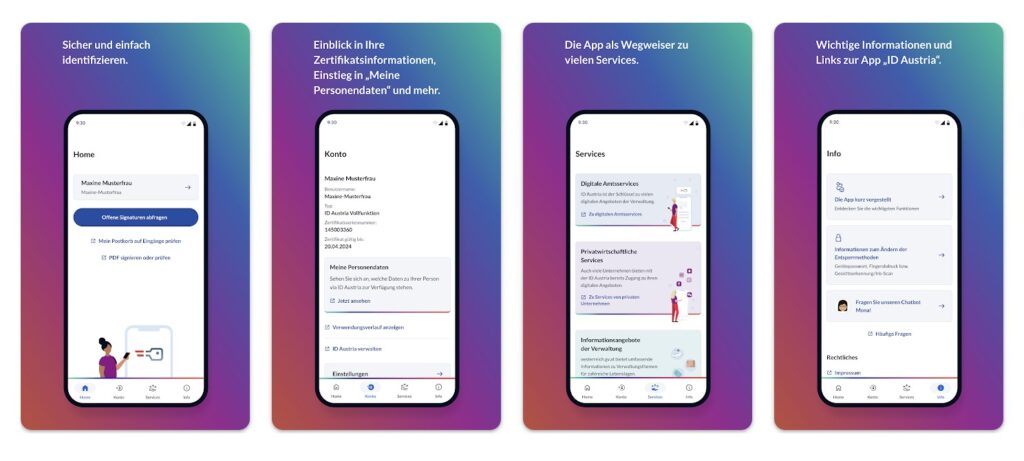
Signicat has added Austria’s electronic ID system to its unified platform for national eIDs and EU Digital Identity (EUDI) wallets, allowing its customers to verify the identity of more than 6.8 million ID Austria users — approximately 60 percent of the country’s population.
The addition highlights one of the central challenges facing Europe’s digital identity ecosystem. As EU member states roll out EUDI Wallets over the next several years, businesses will need to support both established national eIDs and new wallet-based credentials, creating a prolonged period of coexistence rather than an immediate transition.
The unified platform, known as the eID and Wallet Hub, is targeted at firms operating in areas such as financial services, insurance, and telecom that offer services across multiple jurisdictions. It brings together more than 35 national eIDs under one roof, giving companies a single API to handle secure logins, identity verification, e-signatures, and payment approvals across different countries.
The platform also incorporates the upcoming EUDI Wallets, which are expected to be used alongside eIDs for verification for the next several years. EU countries are expected to offer EUDI wallets to their citizens by the end of 2026, but while some member states are likely to deliver their wallets on time, others may launch late, with limited functionality, or without meaningful uptake.
A fintech in Portugal, for instance, will need to accept both ID Austria as well as the EUDI Wallet from customers from Austria, explains Allard Keuter, Signicat’s head of Authentication & Wallets.
“With eIDAS 2.0 and the Anti-Money Laundering Regulation set to reshape the market by 2027, companies need to prepare for a mixed environment,” says Keuter. “For several years, they will have to support the national eIDs that millions of people, like those in Austria, use and trust today, but they also have to prepare for the EUDI Wallet of tomorrow.”
EUDI Wallets hold the promise of easy cross-border KYC and service access, but fragmentation is a realistic risk that could significantly undermine the project’s success, according to Signicat. This is why the company’s pitch is a single platform that unifies both existing eIDs and upcoming EUDI Wallets.
“The real challenge for Europe isn’t just creating a digital wallet, it’s ensuring it can connect to the legacy systems people already use,” says the company’s CEO, Asger Hattel. “Our strategy is to build the unified layer that makes cross-border business simple.”
Last month, Signicat also integrated unified digital ID authentication with WSO2’s platform.
Related Posts
-
 November 20, 2025
 -
 October 3, 2025
 -
 September 25, 2025
 -
 November 6, 2025
 -
August 7, 2025
-
 December 16, 2025
Article Topics
Austria | digital ID | eIDAS | EU Digital Identity Wallet | ID Austria | national ID | Signicat

Comments