
US meat industry says biometric age verification can prevent ID fraud, child labor
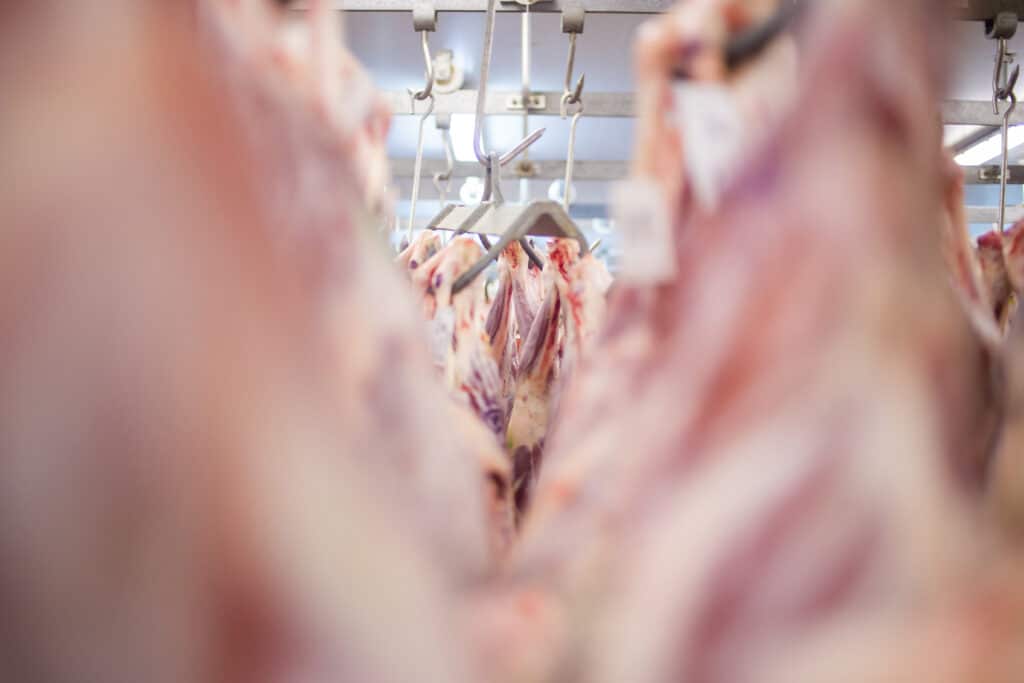
Showing how the breadth of use cases for biometric age verification continues to expand into new corners of industry, the Meat Institute, which lobbies for the U.S. meat and poultry industries, has released a document outlining best practices for workforce age verification.
Of particular note for digital and age assurance firms are recommendations on access control systems for employee entry and exit; a need for packers to conduct ongoing age verification audits; and the instruction to “seek continuous improvement in technological solutions.”
If meat packing and processing represents a new market for age verification products, the prompt for adoption is an issue typically associated with the Dickensian bad old days. “These best practices were developed to help prevent child labor given the record influx of undocumented minors occurring in tandem with the increasing prevalence and sophistication of identity theft and fraud,” says Meat Institute President and CEO Julie Anna Potts, in a news release. “The members of the Meat Institute are universally aligned that meat and poultry production facilities are no place for children.”
Potts’ statement feels like an evident truth, but it is clear that not everyone agrees. In recent months, authorities in the U.S. have discovered several cases of sanitation companies employing kids as young as 13 to clean slaughterhouses and meat packing plants on overnight shifts. A report from the Washington Post on the most recent instance says Tennessee-based sanitation company Fayette Janitorial Service LLC has been fined nearly $650,000 for hiring up to two dozen kids for cleaning. Across the states, other firms have also been fined for employing children to sanitize hazardous equipment such as skull splitters, jaw pullers and bone saws. The U.S. Labor Department reports an 88 percent increase in children being employed illegally since 2019.
The Meat Institute places the blame squarely on migrants and asylum seekers seeking employment in the U.S., and the accompanying wave of identity fraud. “Identity theft has been rising in tandem with the increase in unaccompanied minors,” says the best practices document. “False identification documents are used to place minors in jobs prohibited for someone under 18. These documents are of such high quality that they pass the Department of Homeland Security’s E-Verify process.”
The Meat Institute says current safeguards are not working and that the problem is bad enough that biometrics and other tools need to be explored. “Technologies such as biometric time clocks that verify that the person clocking into each shift matches the employee or other technology-based age verification mechanisms developed in the future can make it more difficult for minors to obtain employment through fraud.”
The best practices document has been shared with the U.S. Department of Labor and Department of Agriculture.
Related Posts
-
 February 20, 2024
 -
 October 5, 2023
 -
 December 6, 2023
 -
 October 16, 2023
 -
 August 10, 2023
 -
 August 23, 2023
Article Topics
access control | age verification | biometrics | children | fraud prevention | identity verification

Comments